CHAPTER TWENTY: THE SECRET
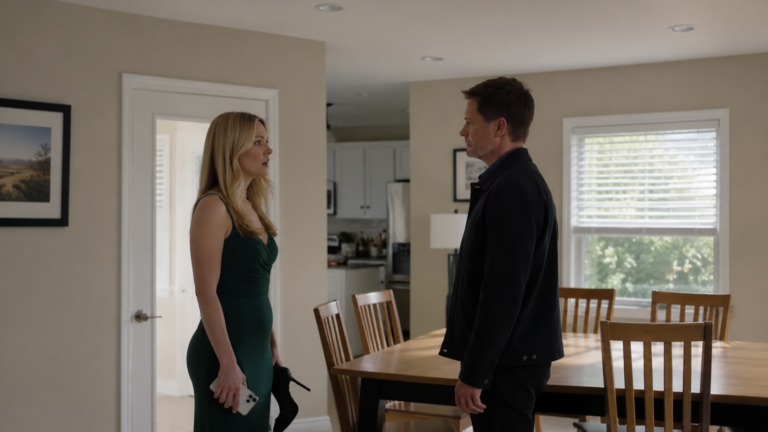
In spring, I saw Caroline for the first time in several months.
We happened to arrive at the same independent bookstore during a neighborhood fundraiser.
She looked healthier and more rested.
We spoke beside a table of donated novels while volunteers sorted boxes in the back room.
Her divorce was still proceeding, but she and Olivia were attending counseling together.
Elaine had accepted a permanent accounting job and was no longer relying on temporary contracts.
The company investigation had produced a number of corrective actions, though some legal questions remained unresolved.
I told Caroline that I had signed the final divorce papers.
“I’m sorry,” she said.
“I’m not sorry it’s over,” I answered.
“I’m sorry it had to happen.”
She understood the distinction.
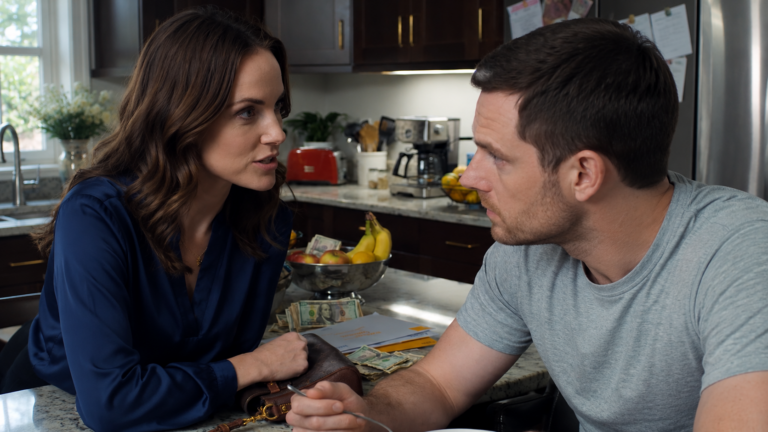
We talked about the ordinary difficulties of living alone after a long marriage.
She had learned to cook smaller meals.
I had learned that the washing machine made an alarming noise when a blanket became unbalanced.
We laughed, and the conversation felt unexpectedly easy.
Then Caroline asked whether I remembered what she had told me at the pharmacy.
“Every word,” I said.
“You said Richard didn’t know you had preserved copies of the records.”
She nodded.
“Do you know what frightened him most?”
“I thought it was the documents.”
“It was the fact that someone he had dismissed had made a decision without his permission,” she said.
She looked toward the window.
“He had spent years convincing me that I couldn’t trust my own judgment.”
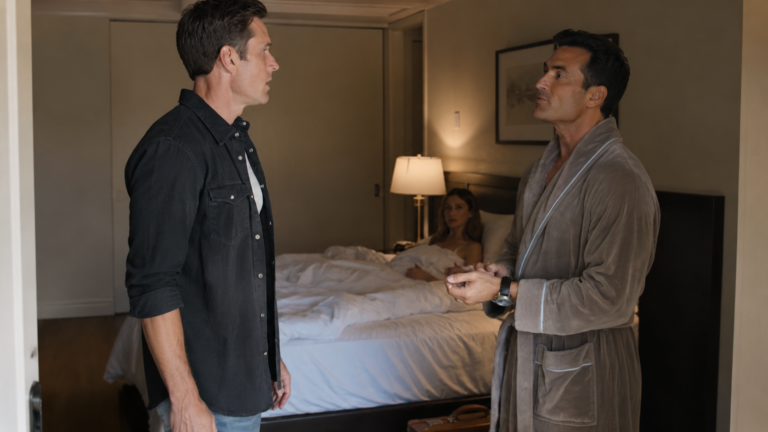
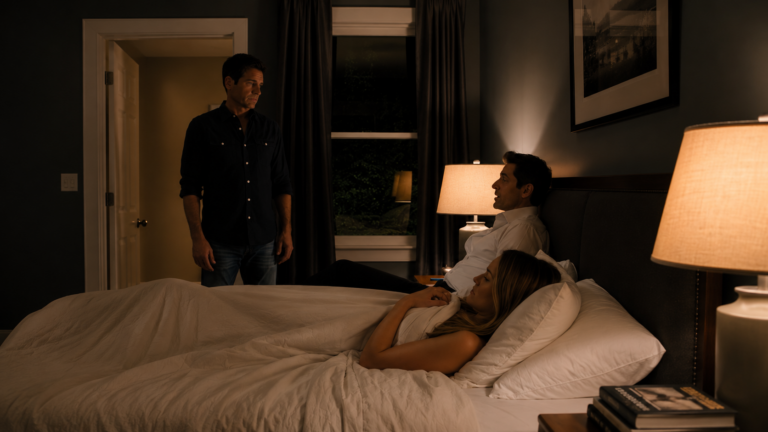
I considered the night I had found Richard in my bedroom.
I had wanted him to see me as someone whose anger mattered.
Instead, the only thing that had unsettled him was the possibility that Caroline had retained her independence.
“You were never asking me to save you,” I said.
“No,” she replied.
“I was asking you not to help him silence someone else.”
That was the secret beneath the secret.
Caroline had evidence, but her real protection was not a folder or an accusation.
It was her decision to trust herself again and seek help from people who would evaluate her words fairly.
I went home that evening with a donated book under my arm.
The house was quiet, and a new photograph hung in the hallway where our wedding portrait had once been.
It showed Nora’s children jumping into the lake on a summer afternoon.
I had taken it myself.
The camera caught the exact moment all three left the dock, laughing and terrified, before their feet touched the water.
I thought about how a life could change in a single doorway and then change again through a hundred ordinary decisions.
I placed the book beside the sofa and went into the kitchen.
For the first time in a long while, the silence sounded like a place I belonged.
THE END