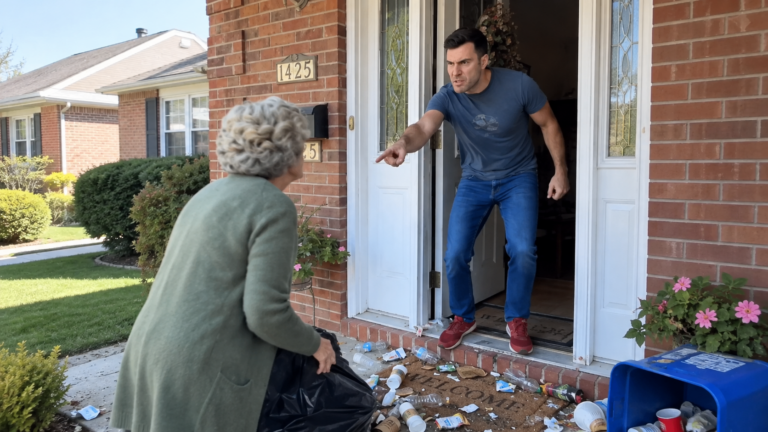
He told her that he could speak as a father but must not use city resources to pursue personal grievances
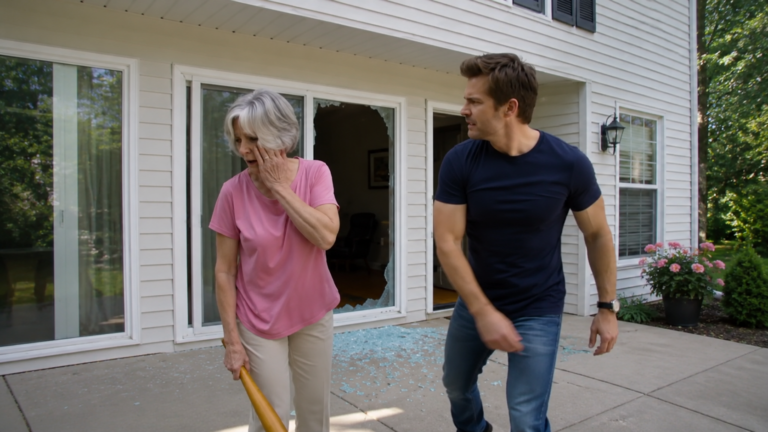
She leaned against the railing and looked toward the driveway where Karen had once destroyed her artwork
Emma said she had stopped imagining that day every time she came home
She still remembered it but the memory no longer controlled the whole street
Marcus said that was more than he had dared hope for when the police arrived at their barbecue
Emma pointed to a small patch of faded chalk beneath the porch steps
A fragment of blue still marked the concrete where rain had never quite reached
She said she wanted to leave it there until it disappeared naturally
Marcus agreed and returned to his work
On Monday Priya completed the first phase of her review
She found that the altered classifications had affected applications from five distinct neighborhoods
The pattern included racial disparities but also harmed elderly residents and families living in older rental properties
The audit could not determine whether the person who restored the classifications intended those consequences
It established that the consequences had occurred and that the contractor failed to catch them
The city released the findings with a plain language summary and an explanation of the corrective steps
Several families received revised decisions within the week
Others remained ineligible under the legitimate rules and were given detailed explanations and appeal options
Marcus insisted that transparency included disappointing answers when those answers were supported by the law
A system could not become fair merely by approving every application
It had to explain its decisions and give people a meaningful opportunity to challenge mistakes
The property maps Thomas Mercer provided introduced a separate problem
They showed a series of parcels near the old railway corridor that had been described as abandoned during a redevelopment proposal
County records showed that some owners had never been notified of the proposed designation
The city did not own those parcels and could not resolve the matter through a mayoral order
The county assessor agreed to examine the records and invite affected owners to submit documents
Marcus attended the first information session as an observer rather than a decision maker
He sat near the back beside Angela and listened to people describe the houses their parents had built
One elderly man carried a photograph of a vegetable garden that no longer existed
A woman brought a deed folded so many times that the creases had nearly erased the ink
Their stories were different but their concern was the same
They wanted to know whether someone had used incomplete records to make their homes appear disposable
The assessor explained the limits of the review and promised written findings for each parcel
Marcus appreciated the careful language because it prevented false hope
He also knew that careful language could sound cold to people who had waited years for answers
After the session he approached the elderly man with the garden photograph