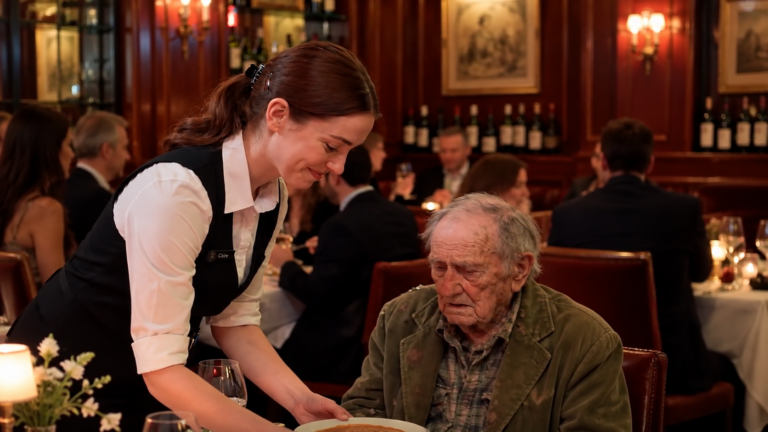
“I thought I could make it work,” he answered.
“You thought you could make the numbers disappear by refusing to look at them.”
He did not answer.
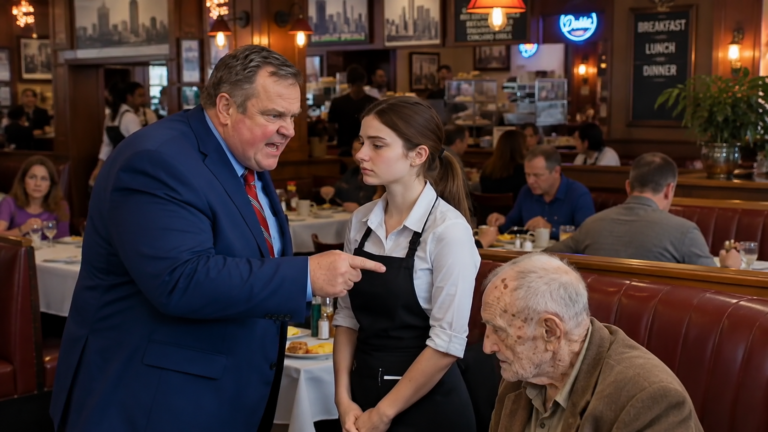
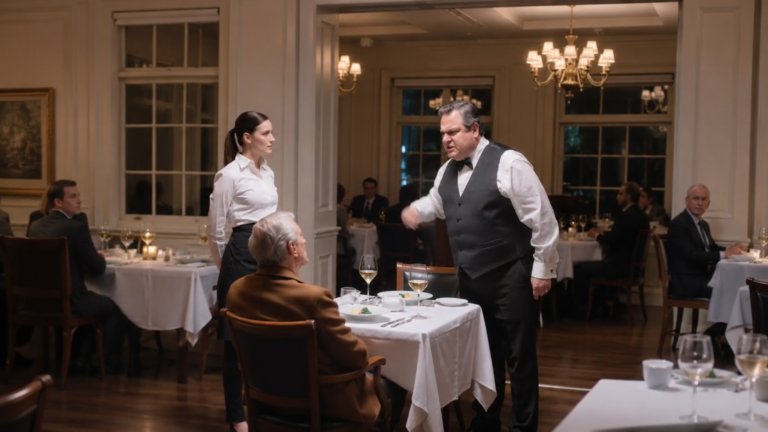
Susan asked whether he had really fired a waitress for buying someone dinner.
He said yes, then tried to explain how her disobedience had undermined his authority.
Susan told him that being a manager was not a license to humiliate people.
She had worked as a nurse for eighteen years and knew what happened when fear kept staff from reporting small mistakes.
She asked him to sleep in the guest room until they could speak to a counselor and understand the financial situation.
Across town, Claire tried to concentrate on her accounting homework.
She had just learned the difference between a balance-sheet liability and an equity interest, which made the new documents both more meaningful and more complicated.
Ruth’s contribution might have produced a modest ownership interest, but the amount owed could depend on distributions, later losses, and contractual restrictions.
Claire was relieved that Audrey refused to promise riches.
Jonah asked whether they would use any recovery to pay for college.
Claire said the money was not theirs until an agreement or judgment made it so.
She wanted him to choose a school based on a realistic financial plan, not an imagined check.
He showed her a scholarship application and admitted he was considering staying nearby to help her.
Claire told him to choose where he could learn best and that they would figure out the rest together.
It felt like a declaration of independence for both of them.
The archive examination uncovered another problem.
Several transfers from an employee benefits reserve had gone to Metropolitan Hospitality Services in years when the restaurant had paid reduced dividends or none at all.
The payments were labeled consulting fees, but the underlying invoices described services that had apparently never been delivered.
Dorian had approved most of them.
Victor had approved several later payments after taking over day-to-day operations, though he said the invoices were routine and had been prepared by the consultant.
The neutral supervisor retained a forensic accountant named Sheila Grant.
Sheila prepared a transaction map showing the direction of the money without declaring anyone guilty.
She traced bank transfers to separate accounts and requested supporting contracts.
Some amounts had been spent on legitimate equipment and renovations.
Others passed through multiple companies before being withdrawn or applied to expenses unrelated to the Waverly Room.
The pattern warranted further investigation, but the exact damages were not immediately clear.
Denise attended Sheila’s first presentation to the employee representatives.
She asked whether a finding of improper distributions would automatically restore their tips.
Sheila explained that the wages issue involved different records and potentially different responsible parties.