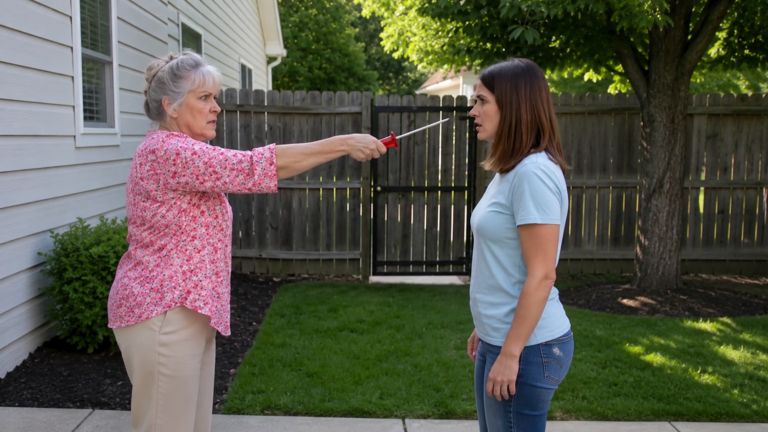
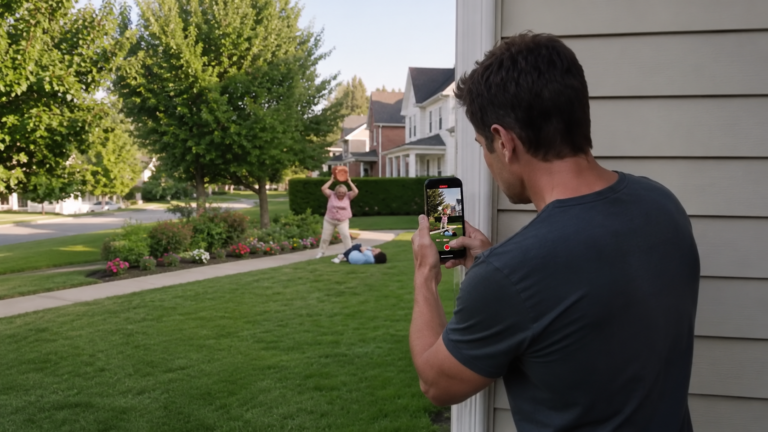
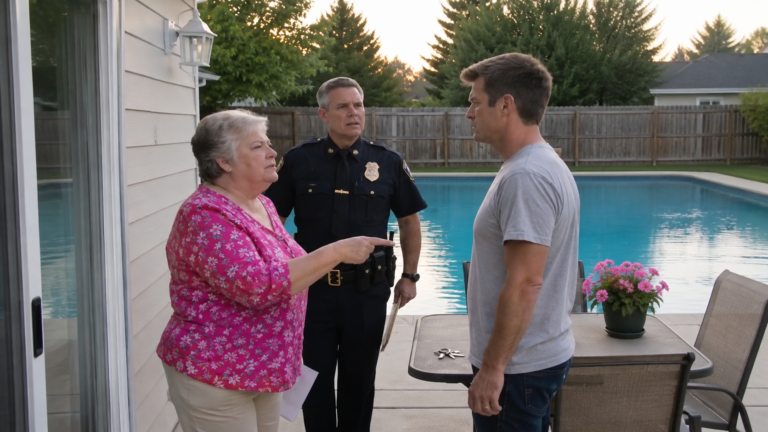
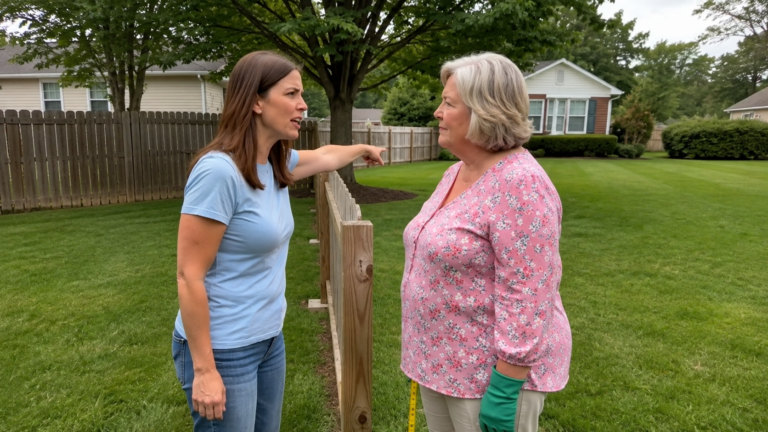
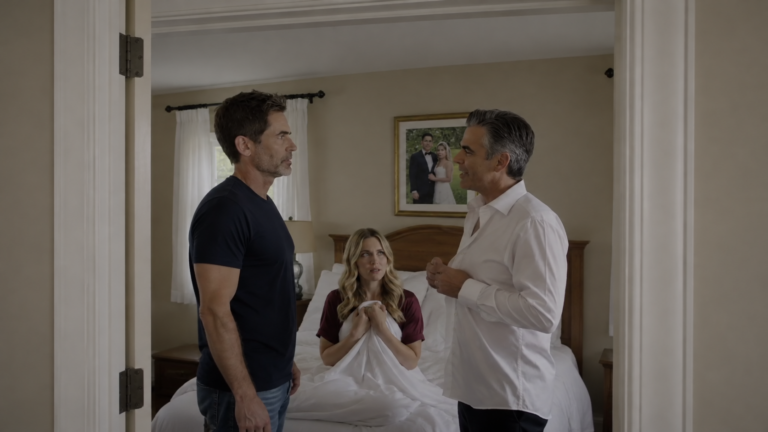
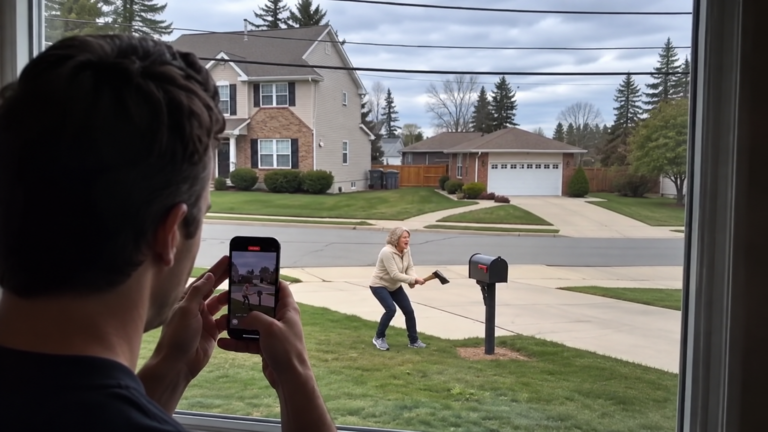
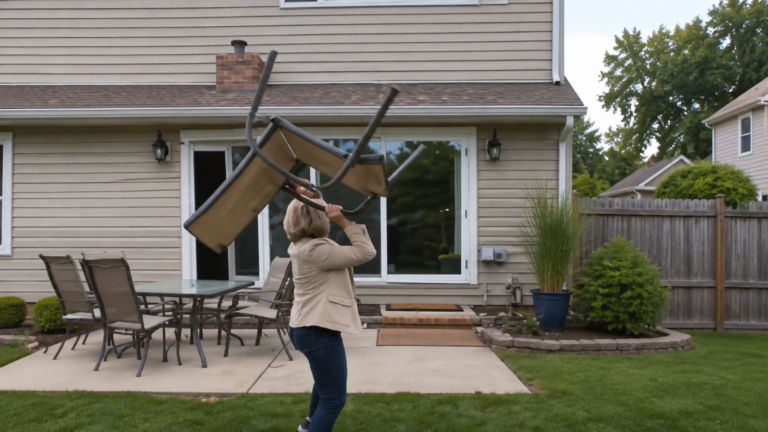
She said Cynthia might have been wrong but did not deserve public humiliation.
I agreed that humiliation should not be the goal.
The purpose of the process was to establish facts, correct accounts, and prevent the misuse of authority.
Denise studied me for a moment.
“I expected you to call me one of her supporters and walk away,” she said.
“You’re allowed to disagree with me,” I replied.
She nodded and asked for the independent accountant’s public report when it became available.
I directed her to Judith rather than handing out a summary favorable to my position.
Our conversation changed neither of our fundamental views.
It did make the next board meeting less like a room divided into enemies.
Chapter 24S: The Cost of Attention
My company’s communications director called after an industry magazine published a story about the outage.
The article focused on the dramatic discovery that I owned the utility whose equipment Cynthia had ordered damaged.
It included a photograph of my house taken from the street.
The story omitted Evelyn’s emergency and the independent process established to investigate the incident.
The director asked whether I wanted to issue a personal statement.
I said I would rather the utility publish practical information about electrical safety and direct reporters to the official incident summary.
Within hours strangers were sending me messages praising me for humiliating an HOA president.
Others accused me of engineering the confrontation to create publicity.
Neither group knew my family or the people who had responded to the outage.
Sophie found a meme showing me dressed as a superhero holding a power pole like a sword.
She laughed at the absurdity and then stopped smiling.
“They think this was a game,” she said.
I looked toward Evelyn’s porch and nodded.
Our lives had become entertainment for people who never heard the alarm across the fence.
I asked the communications team not to amplify the story beyond the facts necessary to answer legitimate questions.
The excitement faded, as online excitement often did, but the families in Pine Ridge still had records to correct and relationships to rebuild.
Chapter 24T: The Reserve Fund
The accountant’s second report examined transfers from the HOA reserve fund.
Money intended for major common-area repairs had been used to pay several disputed inspection invoices.
The report did not conclude that every payment was fraudulent.
It identified gaps in approvals, inadequate supporting documents, and transactions requiring further review.
Residents were angry because the reserve fund had been built through years of monthly assessments.