CHAPTER FIFTEEN — A DIFFERENT KIND OF OPENING
Five days later, Summit Arc invited a small group of engineers and transport officials to review the corrected platform.
There were no ribbons, branded blankets, or promotional photographers.
The guests wore hard hats and listened to Sonya explain exactly what had changed.
The redesigned bracket held its position through a series of load and wind checks.
The gate controls behaved as expected, and Kieran completed the operator-stop procedure without interference.
Nadia signed her installation verification only after the final inspection.
Warren signed the calibration record.
Sonya signed the engineering release for limited operations.
Daniel signed the passenger operations plan, which now required a gradual return to service rather than a crowded inaugural ride.
No one asked Vanessa for an opinion.
No one attached her name to the engineering work.
Her consulting firm was no longer part of the project.
At the lower station, Elise thanked the crew for insisting on a delay when other people wanted a celebration.
Kieran shrugged.
“We just wanted the gate to close properly.”
“That is worth celebrating,” Elise answered.
Daniel watched the first authorized passenger group enter the cabin.
There were only eight people aboard, including two operators and the inspectors.
The tram rose slowly against the bright mountain sky.
When it reached the upper platform, the gate opened on command.
The passengers stepped into the marked corridor without crowding.
Daniel heard Kieran confirm the completed cycle over the radio.
It was an ordinary operational success, and that made it more satisfying than a glamorous opening.
That evening, Daniel unpacked the final box in his apartment.
He hung his coat beside the door and put a second plate into the kitchen cabinet because he still owned two plates.
He had no desire to turn the smaller details of his life into a statement.
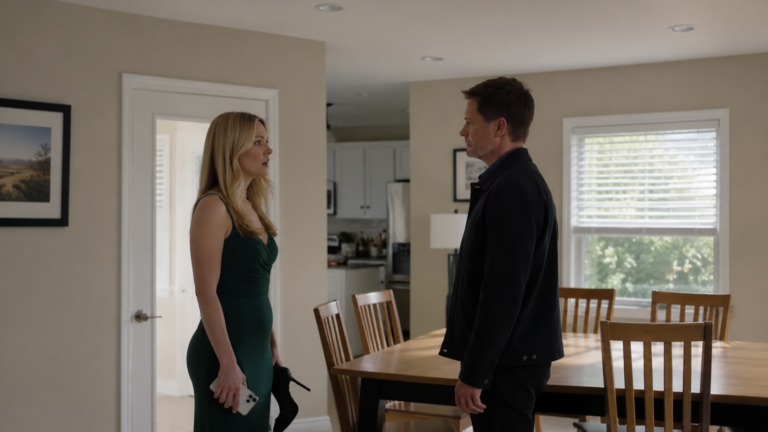
Vanessa had emailed a practical proposal for dividing their remaining possessions and arranging the house sale in Charlotte.
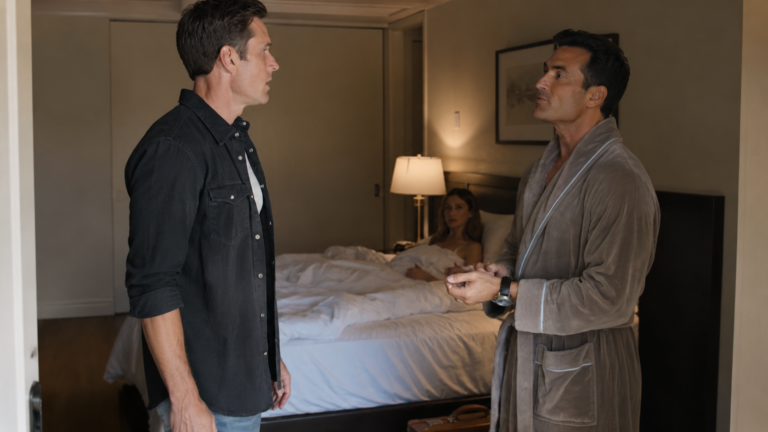
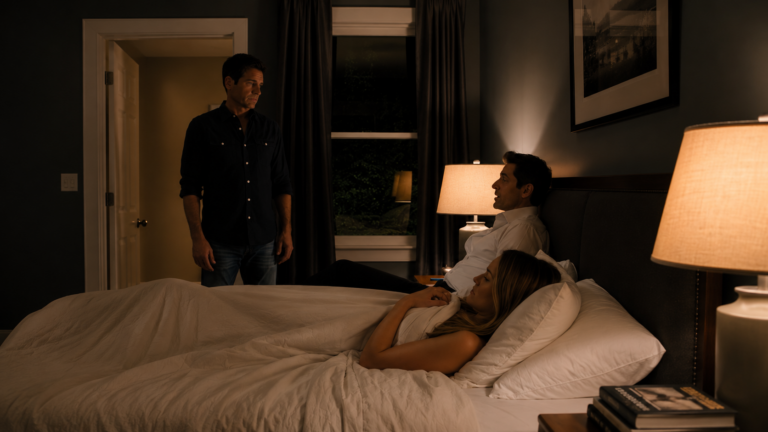
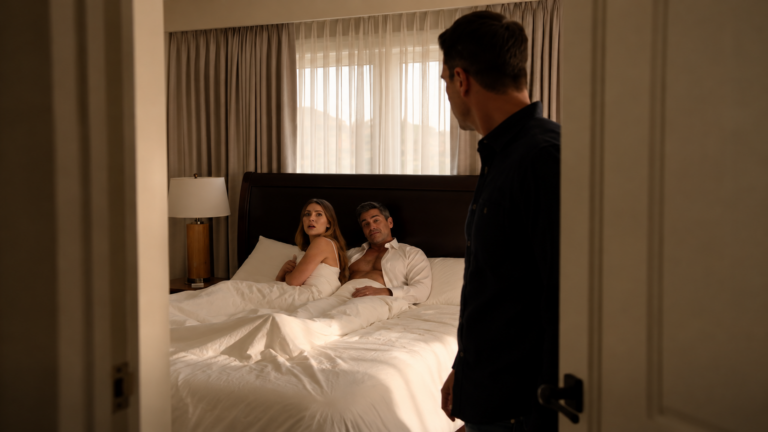
For once, the message contained no plea for him to reconsider and no explanation of what Marcus had done.
Daniel replied with three straightforward questions about dates and moving arrangements.
Then he closed the laptop.
A printed photograph lay on the table beside the empty box.
It showed Daniel and Vanessa fourteen years earlier, standing outside a little diner after a thunderstorm.
He did not tear it up.
He placed it in a drawer with other photographs and closed the drawer.
The doorbell rang.
Priya stood outside carrying a paper bag from a nearby restaurant.
“You said you hadn’t found a decent place to eat,” she explained.
“I brought evidence that Denver has food.”
Daniel invited her in, and they ate noodles at the small kitchen table.
They talked about the crew schedule, the next phase of testing, and the challenge of teaching new operators how to recognize a warning that looked almost harmless.
They did not discuss Vanessa.
They did not discuss Marcus.
When Priya left, the apartment felt quiet rather than abandoned.
Daniel opened the window and listened to the city moving below.
The mountains were invisible in the dark, but he knew exactly where they stood.
He had moved to Denver expecting that distance alone might help him begin again.
Instead, the first week had demanded that he make several difficult decisions while standing still.
He had chosen to protect people he barely knew.
He had chosen not to let Vanessa’s fears direct his future.
And he had chosen to remain at a job where a stopped machine could mean someone was doing their work correctly.
The next morning, Daniel arrived at the lower station before seven.
Kieran waved from the platform and handed him a fresh operations checklist.
At the top, in thick black letters, someone had written one sentence.
CHECK THE GATE BEFORE YOU CHECK THE GUEST LIST.
Daniel read it, smiled, and clipped the checklist to his board.
Then he went to work.
The End.