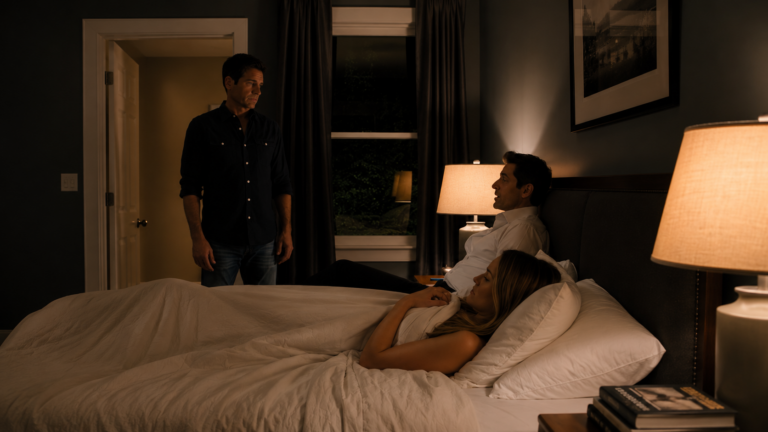
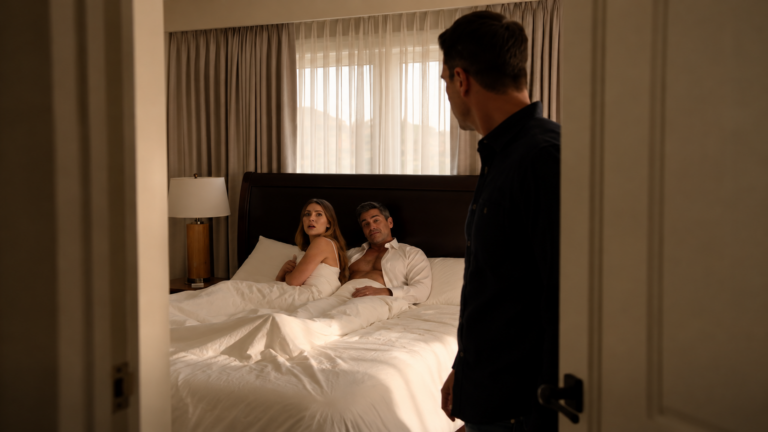
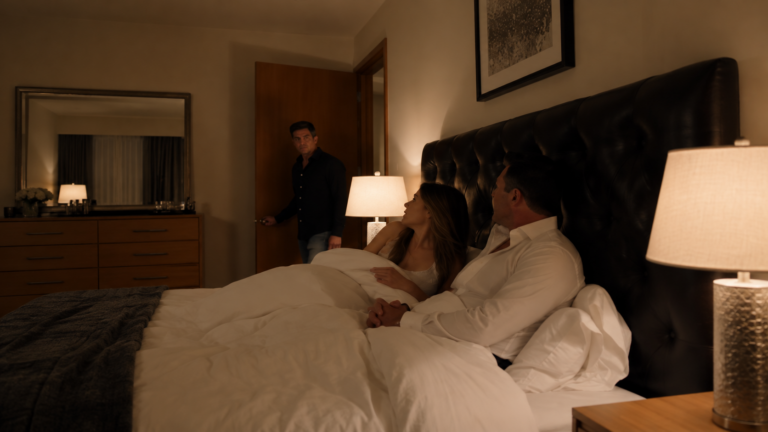
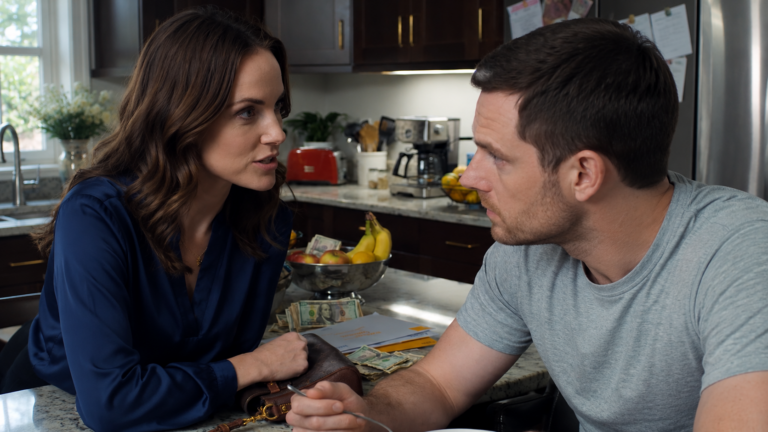
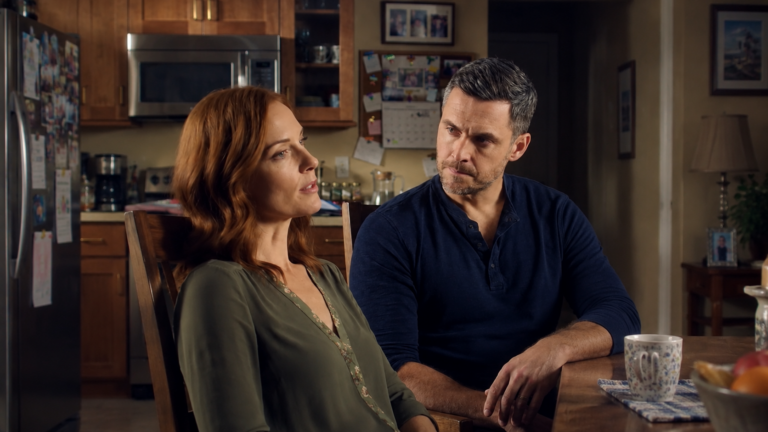
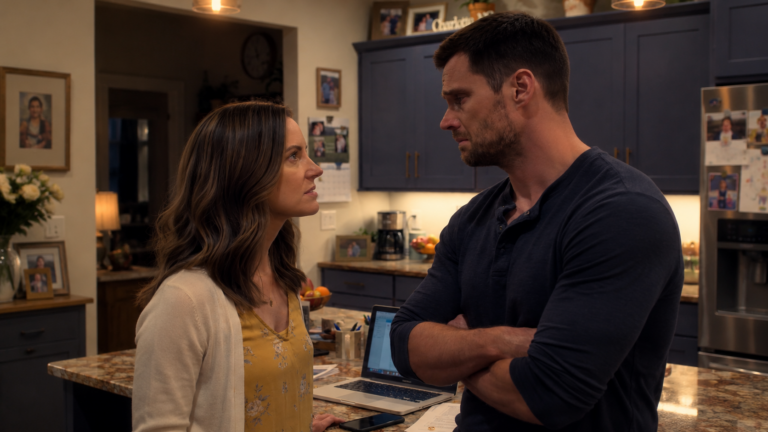
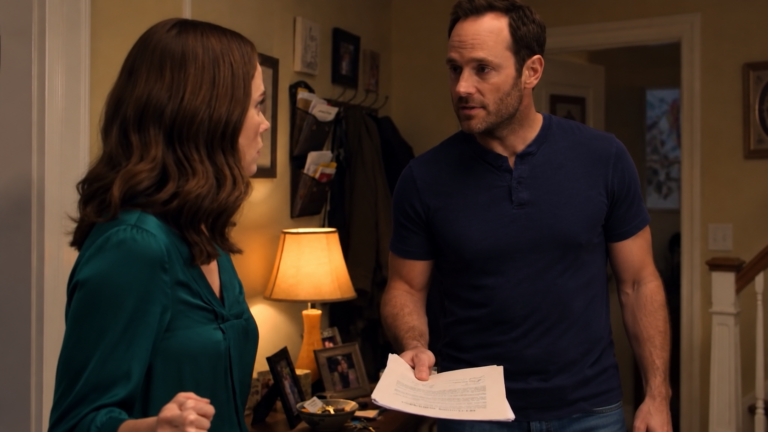
We were waiting for separate attorneys.
He approached me without smiling.
He said he wished things had happened differently.
I asked which things.
He glanced away.
He said the personal side had become unnecessarily cruel.
I told him he had chosen to put on my bathrobe and mock me.
He said that was a mistake.
I agreed.
Then I said the financial harm to our workers was not a side issue, and neither was Rachel’s mother’s fund.
He insisted the record was more complicated than headlines suggested.
I said I knew it was complicated.
That was why I had spent months listening to accountants and reading documents instead of accepting whatever explanation made me feel better.
He opened his mouth, then closed it.
I did not ask for an apology.
I did not need another promise from him.
When Daniel appeared at the end of the hall, I walked away.
The encounter was less satisfying than I had imagined on the worst night of my life.
I think that was part of its value.
Revenge had promised a clean ending.
Ordinary accountability offered paperwork, partial recoveries, and people trying to repair what they could.
That was enough to keep me moving.
Chapter 76: The Watchmaker
The anniversary watch stopped working a few weeks after I moved.
I considered throwing it away, then took it to a small watch repair shop owned by an elderly man named Albert Kim.
He examined the movement beneath a bright lamp and said it needed cleaning.
I told him the watch held unpleasant memories.
He replied that mechanical problems were easier to fix than emotional ones.
I laughed because he delivered the line without looking up.
I asked him whether repairing an object meant I had to keep using it.
He said of course not.
He explained that people restored clocks for all kinds of reasons.
Some wanted to pass them to children.
Some wanted to sell them.
Some simply wanted the option of deciding later.
I left the watch with him.
When I collected it, the hands moved smoothly again.
He placed it in a plain paper envelope and refused to ask for the history I had hinted at.
I appreciated his restraint.
At home I put the watch in a box with old family photographs.
I was no longer tempted to use it as evidence that my marriage had once been perfect.
Nothing had ever been perfect.
The good memories were still real.
So were the lies.
A repaired watch could mark time without rewriting the years it had measured.
I began wearing a cheaper watch with a rubber strap.
It survived dusty construction sites and rainy walks.
One morning it slipped off my wrist while I worked on a door hinge.
I laughed and fastened it again.
I had spent too many months treating ordinary objects as symbols of defeat.
I wanted to let them be useful things.
The End.