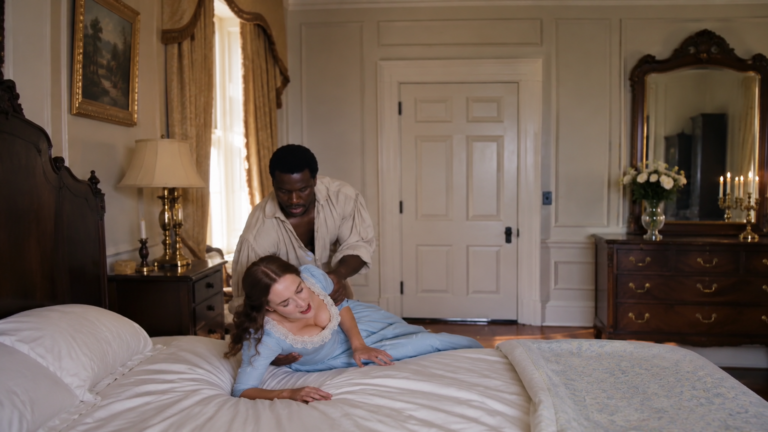
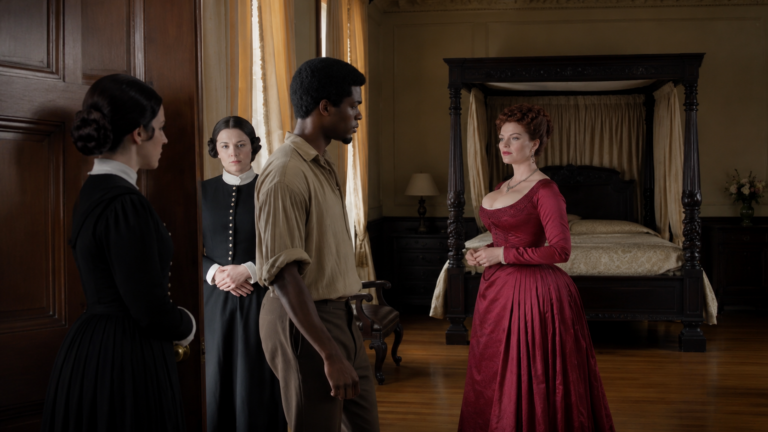
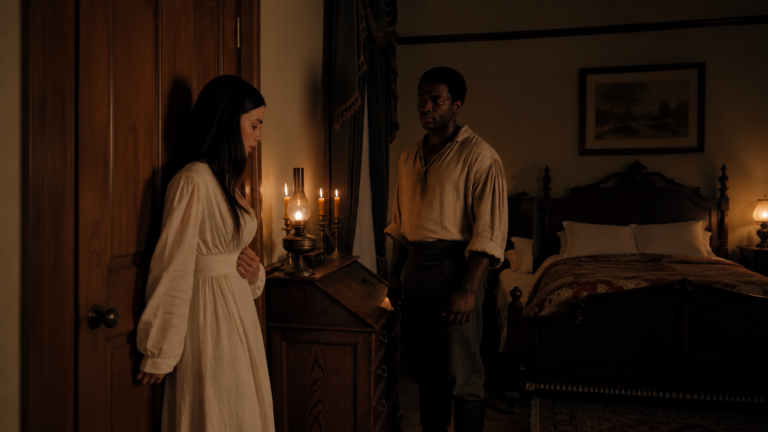
The property in question had been known since at least the one thousand eight hundred thirtys as the Tatum Place
Elias Tatum cleared the land himself working alongside the eight enslaved people he had brought from Georgia when he moved his family to Tennessee s Central Basin in one thousand eight hundred thirty one
By the standards of his time and place he wasn t a wealthy man not a grand planter not someone with a columned house and hundreds of acres
But he was prosperous enough to own human beings as property and prosperous enough to keep them
The Tatum land sat on roughly two hundred forty acres of mixed timber and bottomland near the Stones River where the soil was dark and fertile and the summers were long enough to grow tobacco and corn in quantities that kept a household fed and a debt ledger mostly in the black
By the time Elias arrived Rutherford County itself was already well established
The town of Murfreesboro had been incorporated in one thousand eight hundred seventeen and carried all the infrastructure of a place that considered itself permanent a courthouse a post road several churches of different denominations and the particular social architecture that comes with a community that has collectively decided what it values and what it does not
What Rutherford County valued in one thousand eight hundred thirty one was order
What it did not value or rather what it had learned to carefully overlook was the machinery required to maintain that order
Elias Tatom s eight enslaved workers lived in three cabins behind the main house separated from it by a kitchen garden and a wood pile
The easternmost of those cabins the one farthest from the main house and closest to the tree line was the smallest
It had been built according to county records in one thousand eight hundred thirty three two years after the others and it had been built differently
Thicker walls a smaller higher window and unlike the other cabins its door hinges were mounted on the outside so that when the door was locked it was locked from without
None of this was unusual enough in one thousand eight hundred thirty three to warrant comment
Elias Tatom died in one thousand eight hundred forty nine leaving the property to his eldest son Cornelius who was twenty seven at the time and had grown up on that land