The cabinet filled slowly
No newspaper announced its opening
The first visitors were people looking for familiar names
Some found them
Others found nothing and returned later with more questions
Vera learned that a respectful archive could be useful even when it offered no dramatic revelation
One morning a letter arrived from Ruth
She had compared the wooden bird with an old drawing Hester made for a child
The drawing showed a similar shape but lacked enough detail for identification
Ruth had returned the carving to Ada with a note of thanks
She had also spoken with Clara about the family account
They wanted Vera to preserve the story of Hester classroom and her work with children
They did not want the uncertain history of Amos to dominate every page
Vera read the letter twice
She understood that Ruth was not asking her to hide evidence
She was asking her to restore proportion
Vera began revising the manuscript
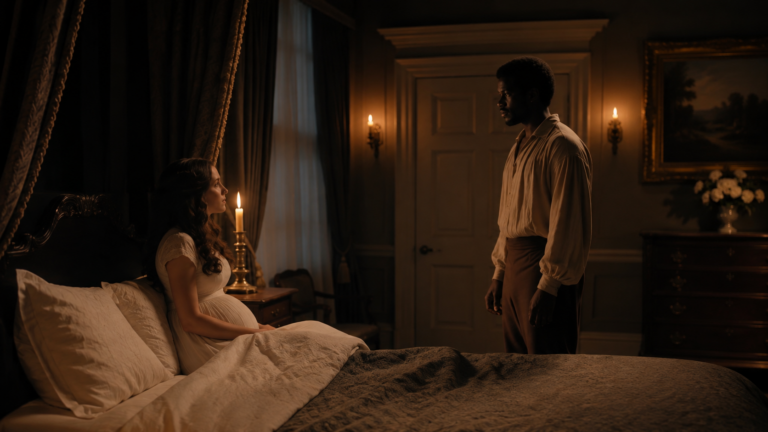
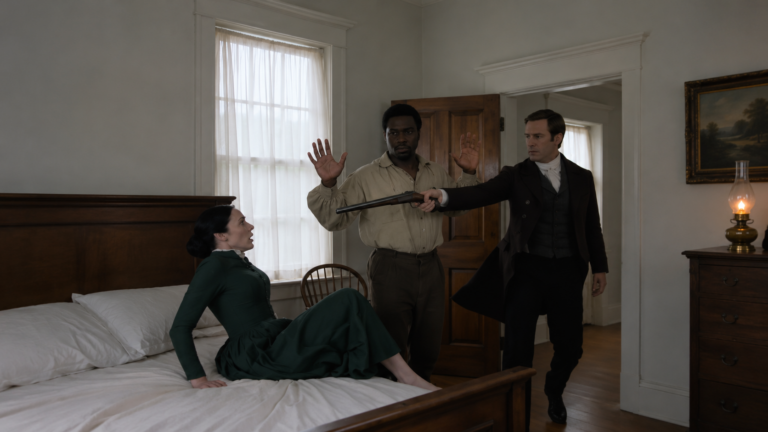
She moved the locked cabin to the opening pages because it explained how the inquiry began
Then she shifted attention toward the people whose lives the cabin had obscured
She described the lessons Hester taught and the books she carried
She described the choices Arthur and Catherine had made when they bought the land
She included the uncertainty surrounding Amos without inventing an ending
She described the railroad records as evidence of labor disputes rather than proof of a secret conspiracy
When the first draft was finished she mailed copies to Ruth and Clara
She also sent a summary of the Mill Creek findings to Samuel and Ada
She invited corrections and offered to remove private details
Weeks passed before the replies arrived
Ruth corrected the name of a child who had attended Hester classroom
Clara corrected the location of a church meeting
Samuel asked Vera to include a note explaining that the company records were incomplete
Ada asked that her grandparents be described as ordinary farmers rather than heroes
Vera made every correction
She had learned that accuracy sometimes depended on resisting the most exciting version of a scene
A publisher eventually expressed interest in the manuscript
The editor suggested a title promising to reveal the terrible secret behind the locked cabin
Vera refused
She said the book did not reveal a terrible secret
It showed how easily people could turn a gap in the record into a story that served their own curiosity