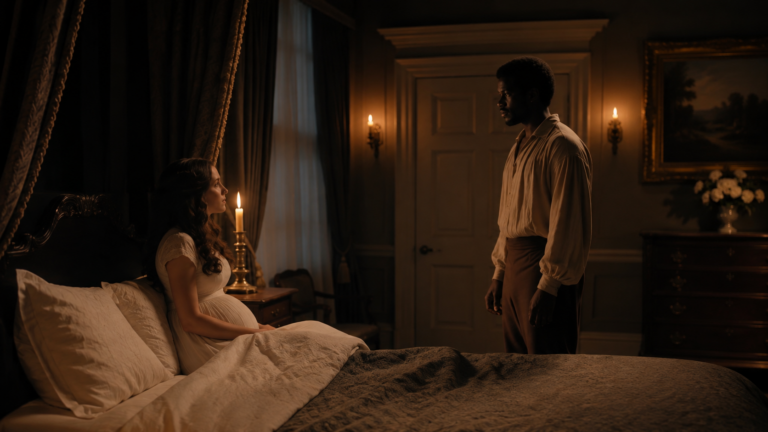
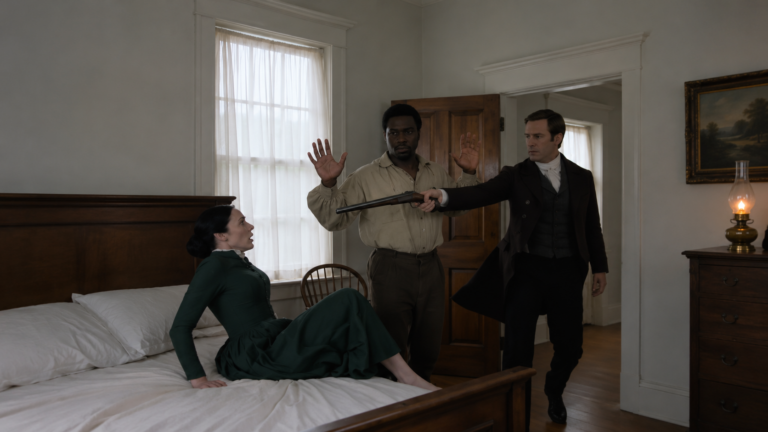
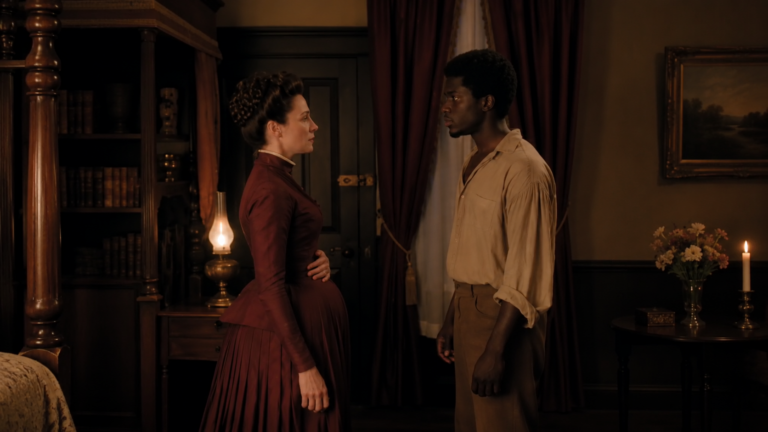
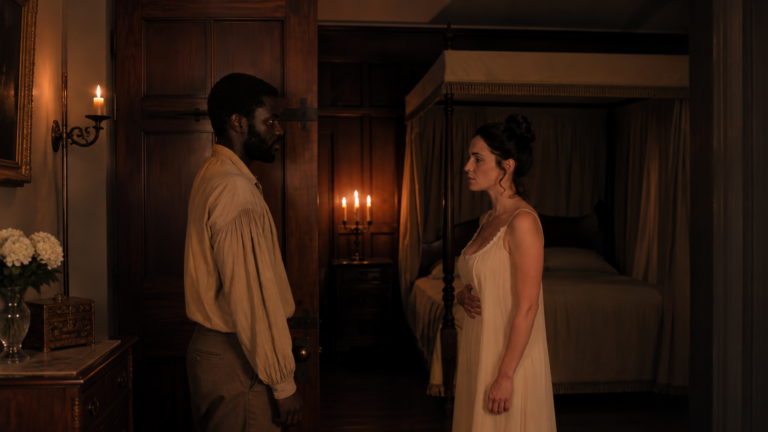
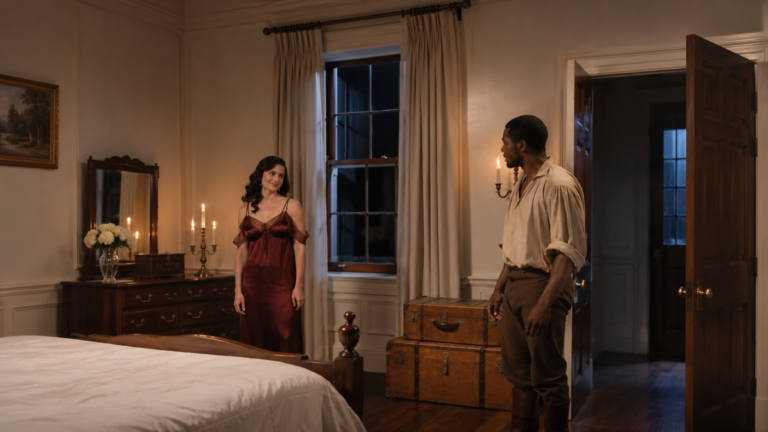
It requires ordinary people making ordinary decisions about what to see and what to look away from
Agreeing without ever quite having to say so aloud that some doors are better left closed
What do you think of this story
Do you believe everything was revealed
Or do you think there are parts of this that no record could ever fully capture
Leave your comment below
If this story stayed with you the way we hope it did subscribe to Liturgy of Fear hit the notification bell and share this with someone who needs to hear stories that history tried to forget
We will see you in the next one
The question that remained after Arthur Pemberton sold the farm was not whether the cabin had been opened
The question was whether opening it had changed anything for the people whose families had spent decades protecting the silence
Arthur had written down what he could prove
He had also written down the places where proof stopped
Those empty places troubled Catherine more than the answers
During their last winter on the property she kept a small notebook beside the kitchen stove
She recorded the names of people who came to the house and the questions they asked
Most visitors wanted to know whether the land was still for sale
A few asked about the little building near the trees
One woman arrived with a basket of apples and never mentioned the cabin at all
She stood on the porch until Catherine invited her inside
Her name was Ruth Bell
Ruth was the daughter of a man who had worked on neighboring farms after the war
She had been born after emancipation and had never lived under the Tatum family
She nevertheless knew the old place by another name
Her father had called it the listening field
Catherine asked what he meant
Ruth looked toward the eastern window before she answered
She said people used to stand near the trees and listen for a voice that could not be heard from the road
Catherine felt her hands grow cold around the teacup
She asked whether Ruth knew the name Amos Jaybird
Ruth did not answer immediately
She placed her basket on the table and took off her gloves
She said her father had spoken of a man called Amos
She said he never used a surname
He had warned his children not to repeat stories that belonged to other families