Chapter Eleven: Thursday
The county chambers filled before nine.
Residents stood along the rear wall, some holding library cards and others carrying signs criticizing public spending.
A young parent sat beside a farmer who opposed keeping the routes because his property taxes had increased.
They argued quietly, then began comparing how often their families used the service.
I took a seat beside Nadia.
Westbridge’s revised technical memorandum had been distributed that morning.
It explained which figures had been altered, which findings remained reliable, and which conclusions could not be defended.
The report did not tell commissioners how to vote.
It gave them enough information to understand the uncertainty.
Preston opened public comment.
A commissioner named Ruth Han asked why the county had received a recommendation that contradicted its own field records.
Naomi answered that Westbridge’s quality controls had failed and that the firm was cooperating with the review.
She did not blame a single junior employee.
I respected her for that, though I knew accountability would require more than a careful sentence.
Laura appeared at the microphone after the first group of residents.
She looked pale, but her voice was steady.
“My name is Laura Bennett, and I prepared several of the testimonials in the county presentation.”
The clerk asked her to state whether she represented Westbridge.
“I am speaking personally,” she said.
“I wrote words that the named residents did not say.”
Several people began murmuring.
Laura waited until the room settled.
“I used their names from workshop attendance sheets without confirming the quotations.”
“Why?” Commissioner Han asked.
“Because I believed the project needed a clean message,
and I accepted assurances that the material represented the overall findings.”
“Did it?”
“No.”
“Did anyone order you to invent quotations?”
“The vendor supplied templates and told me interviews had been completed, but I made the decision to attach names without verification.”
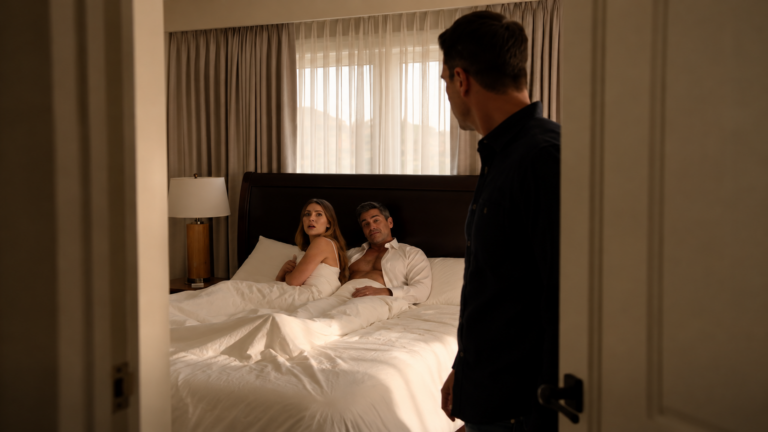
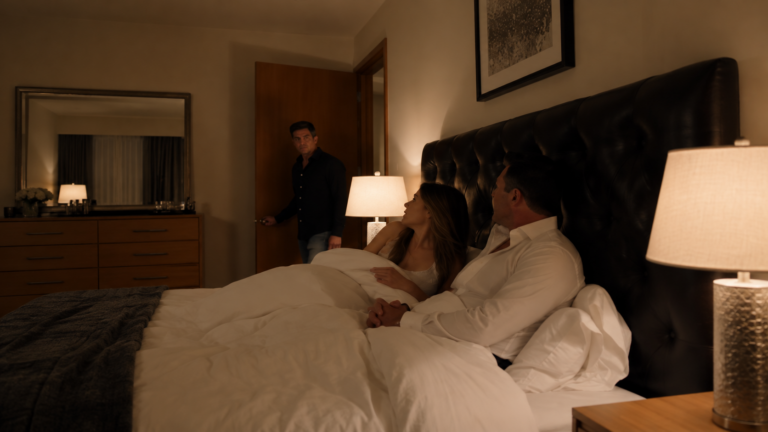
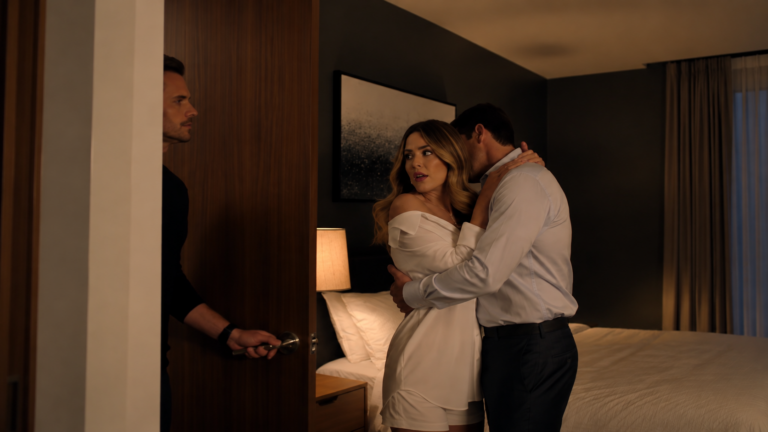
She described Adrian’s role without mentioning their affair, which had no place in the residents’ testimony unless counsel required disclosure for the investigation.
Her admission did not excuse the work.
It showed how a person could continue making a serious mistake long after noticing reasons to doubt it.
Darlene spoke next.
She thanked Laura for correcting the record but said she was not ready to accept an apology.
Laura nodded from her seat.
Inez brought three months of route counts, explaining exactly how each visit was recorded and where uncertainty remained.
A retired accountant questioned the fuel cost estimates and offered to help the county compare different schedules.
A student described how she relied on the bookmobile to prepare for the nursing examination because she worked evenings.
An older resident said the county should expand home delivery rather than preserve every route unchanged.
The disagreements were real, and nobody had to invent a single opinion to make them interesting.
When my turn came, I explained my responsibility for the original model and the limits of my review.
“I treated online appointment records as a reasonable proxy for demand,” I said.
“That assumption excluded many people who use the service most.”
Commissioner Han asked whether the model had been fraudulent from the beginning.
“My first version contained a serious design error,” I answered.
“Later changes made that error more misleading, and the investigation is determining who authorized them.”
“Are you asking us to reject the closures?”
“I am asking you not to rely on a model that cannot accurately count the people affected.”
A commissioner who supported immediate cuts asked whether the county could afford another ninety days.
“I can’t answer that without reviewing your current budget assumptions,” I said.
“I can tell you that selling the vehicles creates a cost of reversal that our proposal understated.”
The chair asked me to explain.
I described the difference between parking a vehicle temporarily and selling it for salvage, including the expense of replacing specialized equipment if service resumed.
I kept my explanation plain because the people listening deserved to understand it.
The commissioners debated for nearly two hours.
One wanted a sixty-day pause, another wanted to close only the least-used route, and a third demanded an entirely new public-engagement process.
At last they approved a ninety-day pause by four votes to three.
They directed the county library staff to conduct an open service review using both in-person visits and digital records.
They also required any future report to distinguish between observations, estimates, and resident quotations.
The decision did not solve the budget problem.
It prevented a flawed report from deciding the answer before the community could speak.
Inez stood in the hallway after the meeting, holding her bus keys.
“Marigold runs tomorrow,” she said.
“Yes.”
“And after ninety days?”
“You’ll have to keep making your case.”
She nodded.
“That part I know how to do.”