Chapter Six: The Woman on the Form
The county commissioners refused to postpone Thursday’s vote.
Their chair, Preston Hale, announced that the budget deadline remained unchanged and that residents could speak during public comment.
The suspension of our recommendation did not stop the county from using the original figures already in its budget packet.
By Tuesday morning, the packet had been downloaded hundreds of times.
People argued online about whether the bookmobiles were a sentimental luxury or an essential service.
Several residents repeated fabricated quotations, believing those words came from their neighbors.
Inez called me after a woman at Pine Hollow accused her of exaggerating attendance to protect her job.
“She brought one of your pages and read it in front of everybody,” Inez said.
“I am sorry.”
“Save the apology for when we know how to fix it.
”
Nadia proposed a public comparison between the submitted presentation and the original attendance records.
Saira said we could release corrected technical conclusions, but we could not simply publish personal details from confidential interviews.
A resident could, however, choose to speak publicly about her own words.
I drove to Briar County again, this time with permission from Naomi and the county’s public liaison.
The first person I met was Darlene Moss, a retired bus mechanic whose name appeared under a testimonial praising the digital transition.
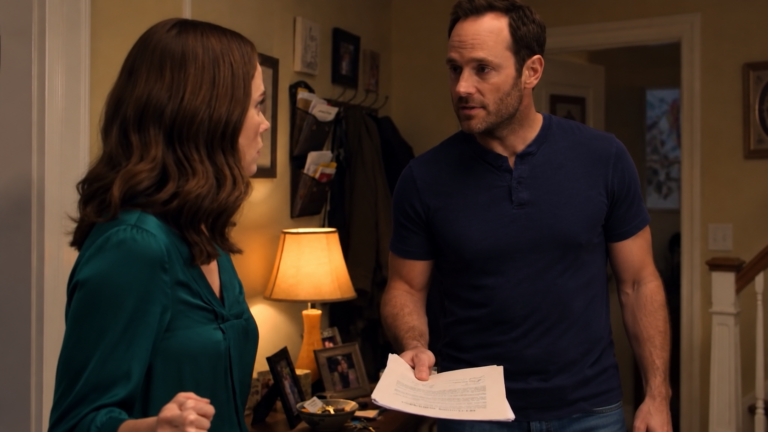
She opened her door holding a small dog in one arm and the printout in the other.
“I never said this.”
“I believe you.”
“Your company says I did.”
“Yes.”
“Then tell your company to stop.”
I explained that we had formally withdrawn the quotation and that an internal investigation was underway.
She listened but did not offer forgiveness.
“When my husband was sick, the bookmobile brought him recorded books because his eyes were failing,” she said.
“We didn’t need an internet form.”
“Would you be willing to explain that at the county meeting?”
“Why should I do your job for you?”
I could not answer immediately.
“You shouldn’t have to.”
“That’s right.”
“I’ll testify to the errors whether you come or not.”
She looked at the paper again.
“Do you have any idea what it feels like to find yourself praising something you spent months opposing?”
“Not in that way.”
“Then don’t tell my story for me.”
I promised I would not.
She shut the door and left me on the porch.
At my car I sat for several minutes, considering how often our profession had treated a person’s life as material to be shaped into a persuasive slide.
My phone rang.
It was Laura.
“Adrian has disappeared.”
“What does that mean?”
“His apartment is empty.”
“Did you go there?”
“Yes.”
“Laura, why?”
“He told me he’d help correct the interviews.”
“He has lawyers for that.”
“He isn’t answering.”
“Then stop chasing him.”
“I think he used me.”
The sentence hurt in a way that surprised me.
I had imagined saying those words about her, not hearing her say them about someone else.
“I don’t know everything that happened,” I said.
“I do know you signed your name to words people never said.”
“You think I don’t know that?”
“I think you need to decide what to do next without asking him to decide for you.”
She was silent for a moment.
“Are you coming home tonight?”
“Yes.”
“Can we talk?”
“We need to.”
After the call, Darlene opened her front door again.
She had heard none of the conversation, but she had apparently reconsidered my earlier request.
“I’ll come Thursday,” she said.
“Thank you.”
“I’m not coming for your company.”
“I know.”
“I’m coming because whoever wrote that sentence should hear what I actually think.”