Chapter Four: The Visitor
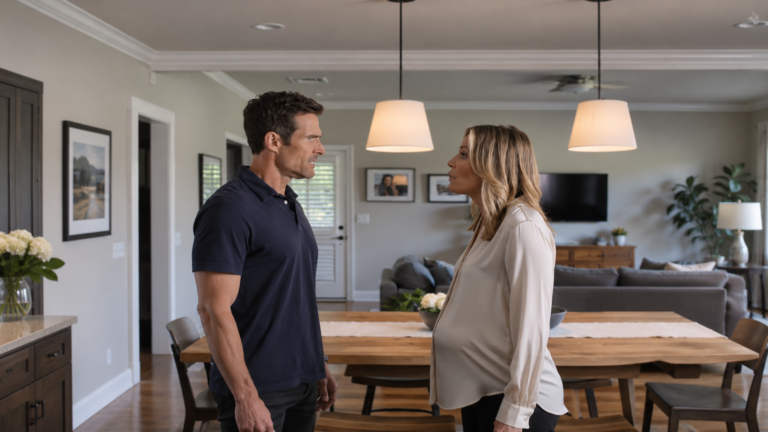
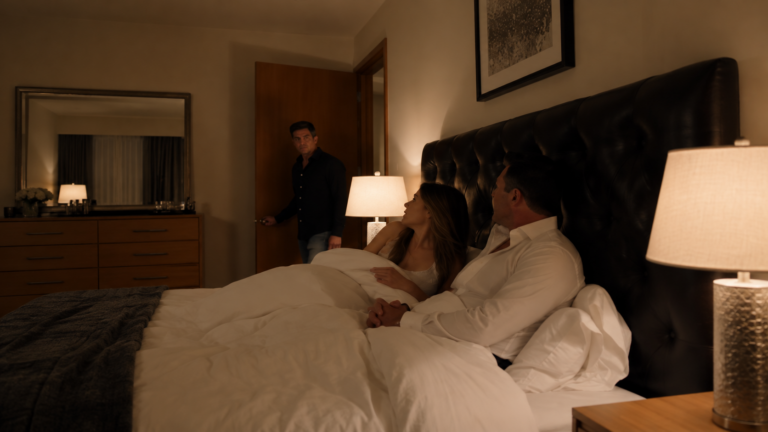
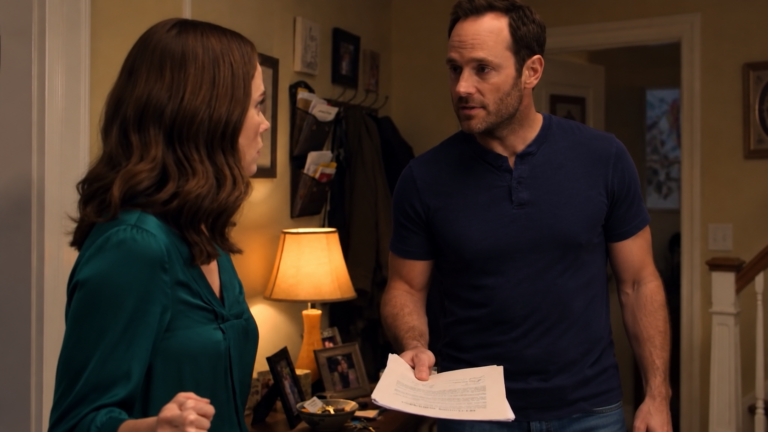
Laura was waiting in the living room when I got home.
She had folded the blanket I usually left over the armchair.
That tiny act of housekeeping made the room feel like a hotel.
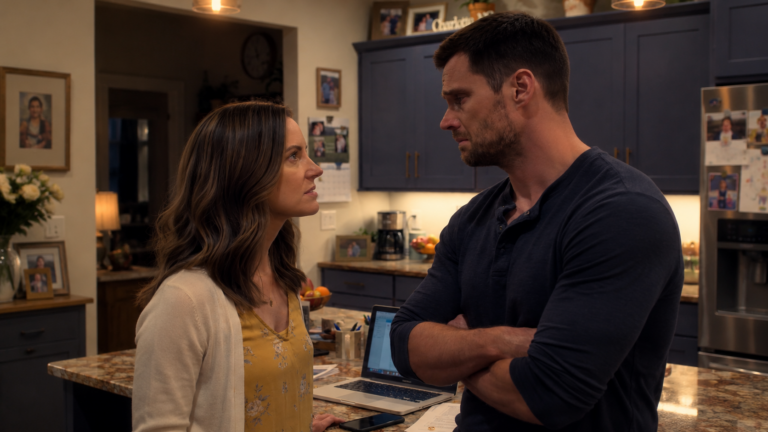
“Where were you?”
“Briar County.”
“You had no authority to visit a client site.”
“The people operating the service invited me.”
“Adrian says you’re interfering with an active review.”
“You told Adrian where I was?”
“I didn’t have to.”
I set my coat on the chair.
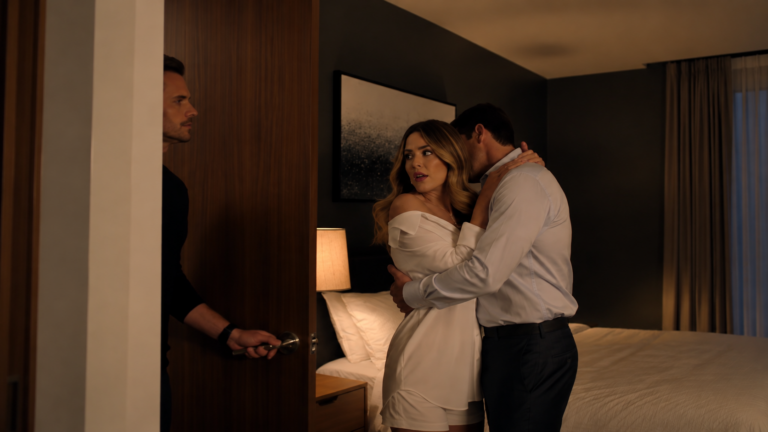
“When did you start seeing him?”
“You already asked me that.”
“You never answered.”
She sat down.
“In August.”
“We were both working on the library project in August.”
“It wasn’t about the project.”
“Was it a coincidence that he joined our vendor meetings the same month?”
“He made me feel like somebody interesting again.
”
I let that sentence settle rather than trying to deny it.
“I believed you were interesting before you met him.”
“You believed I was useful.”
“Those aren’t the same thing.”
“You don’t get to rewrite how I felt.”
“And you don’t get to use how you felt to answer a question about work.”
Laura rubbed her forehead.
“He said the county wanted a simpler story.”
“What did that mean?”
“That the original interviews were inconsistent, and we needed clear examples.”
“Did he write the examples?”
“He suggested the format.”
“Whose names did you put on them?”
“Names from a sign-in sheet.”
“Without their permission?”
She closed her eyes.
“Yes.”
The room seemed to shift around me.
“Why?”
“He told me everyone did it in early-stage engagement.”
“You know that isn’t true.
”
“I know now.”
“And he said he could fix the investigation.”
“He said the review was mostly about our documentation standards.”
“Did he tell you to lie to me?”
“No.”
“Then why did you?”
She looked at our wedding photograph above the sideboard.
“Because the affair began as something separate, and then everything became connected.”
I did not ask whether she loved him.
The more important truth had already arrived.
“I’m not going to help hide this.”
“I haven’t asked you to.”
“You asked me not to tell Naomi.”
“Because I thought we could fix it first.”
“We can correct records, but we cannot make invented people give real testimony.”
“Michael, the whole firm’s reputation is at stake.”
“So are four library routes.”
She became angry again.
“You speak as though every decision we make is a moral monument.”
“No.”
“You do.”
“I think a report should describe what happened.”
Laura looked down at her hands.
“Adrian is coming tomorrow.”
“Here?”
“He wants to explain.”
“He can explain to the lawyers on Monday.”
“He thinks you need to hear his side.”
“I can hear it in a meeting with witnesses.”
She stood.
“You are making this personal.”
“It became personal when you told me you were dating him.”
Neither of us moved for a long time.
Then she went upstairs, leaving me alone with the furniture we had chosen together.
I slept badly and woke at five to an email from Nadia.
She had located an original set of survey responses in a locked archive owned by the county, not our firm.
The records contained handwritten objections to the route closures.
In the version shown to senior management, those objections had been transformed into statements welcoming remote service.
The change was not a careless summary.
Someone had reversed the meaning of the responses.