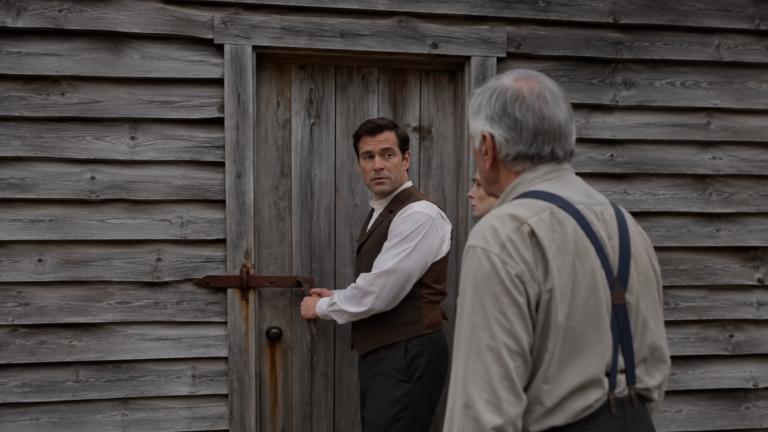
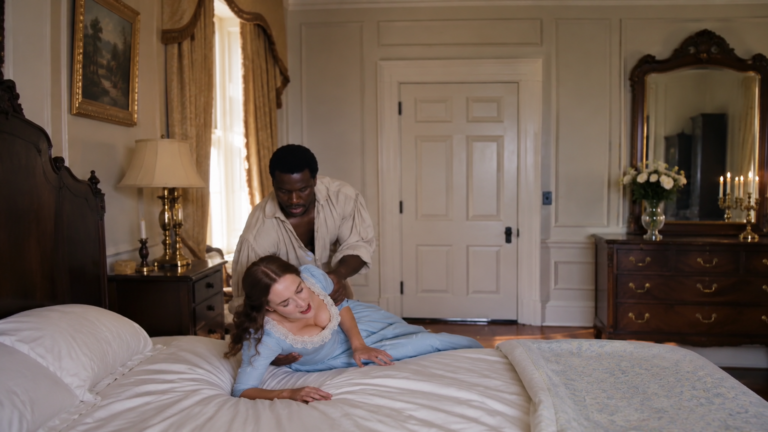
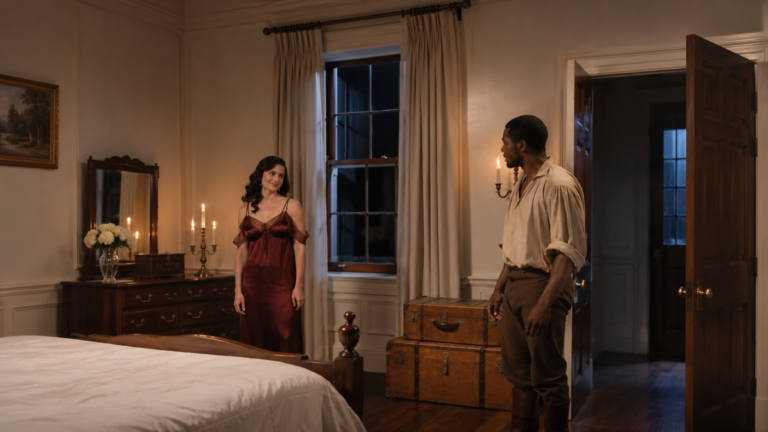
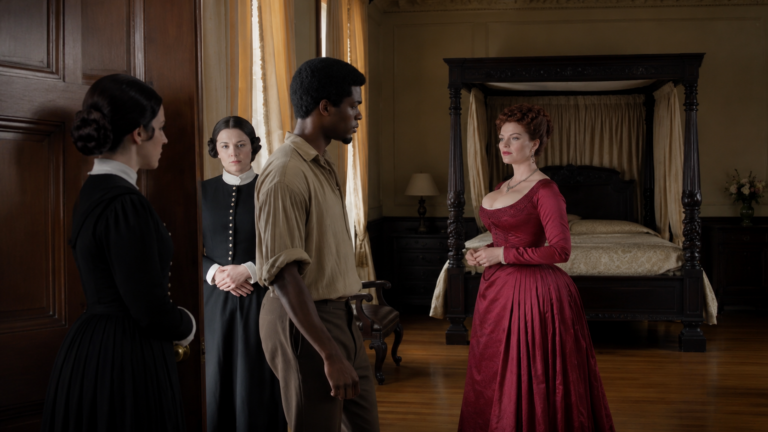
At night he slept lightly with his boots close to the bed.
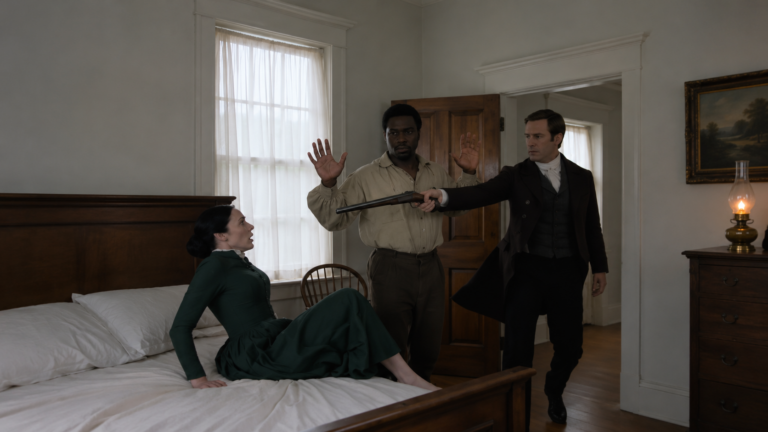
He knew that the colonel could still act rashly.
He also knew that leaving without a lawful path could expose him and anyone who helped him to terrible danger.
He refused to let desperation push him into a plan that ignored the risks to Ruth and Isaiah.
One evening Isaiah found him staring at a rough map of the surrounding counties.
Isaiah asked whether he had chosen a place to live.
Daniel said that he wanted a town where a man could earn wages for the furniture he built.
He said that he wanted a door he could close without fearing a summons after midnight.
Isaiah smiled sadly.
He asked whether Daniel had imagined a workshop with windows facing east.
Daniel asked how Isaiah had guessed.
Isaiah said that Daniel always turned his bench toward the morning light when he had a choice.
They sat together until the candle burned low.
Neither pretended that a workshop could repair what had happened.
It gave Daniel a future worth protecting.
THE LETTER FROM THE RIVER
The next development came from a place none of them expected.
A boatman delivered a sealed letter to Reverend Hale from a former clerk of the Blackwood family’s shipping agent.
The clerk had heard that the colonel intended to sell several workers through a private broker.
He enclosed copies of correspondence that identified the broker and described an arrangement for rapid transfer across county lines.
The letters contained no completed sale contracts.
They did contain instructions to keep certain names away from the usual estate register until the transaction was settled.
Hale brought the papers to Price.
The attorney compared the broker’s name with Pritchard’s account entry.
The names matched.
Bennett asked whether the clerk would sign an affidavit.
Hale said that the clerk feared losing his position.
Price answered that the evidence would be stronger if its source could be examined.
He wrote to the clerk offering to meet away from the shipping office.
The reply arrived four days later.
The clerk agreed to speak because he had learned that the broker was arranging passage for a child as well as several adults.
Daniel heard this news from Ruth.
He asked which child had been named.
Ruth answered that the broker’s papers referred to a boy from the lower quarters.
Daniel thought immediately of Thomas, the young son of a woman who worked in the laundry.
Thomas had recently begun carrying water to the stables.
He was too young to understand why adults grew quiet whenever a wagon appeared.