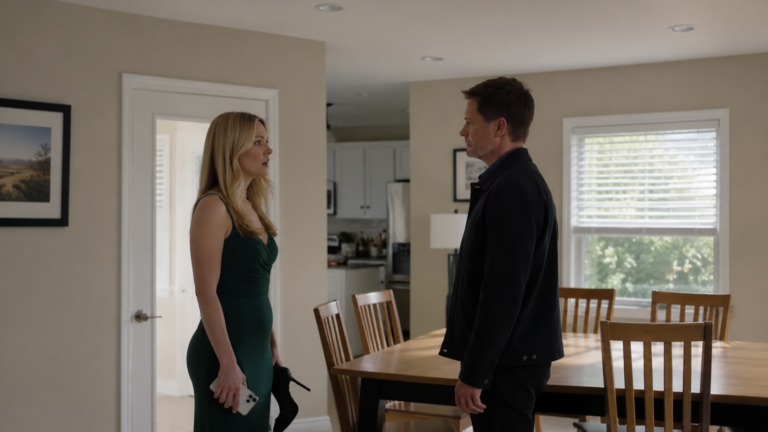
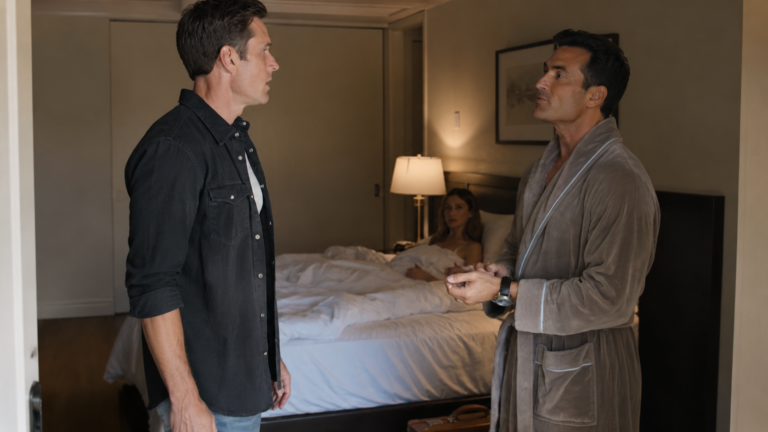
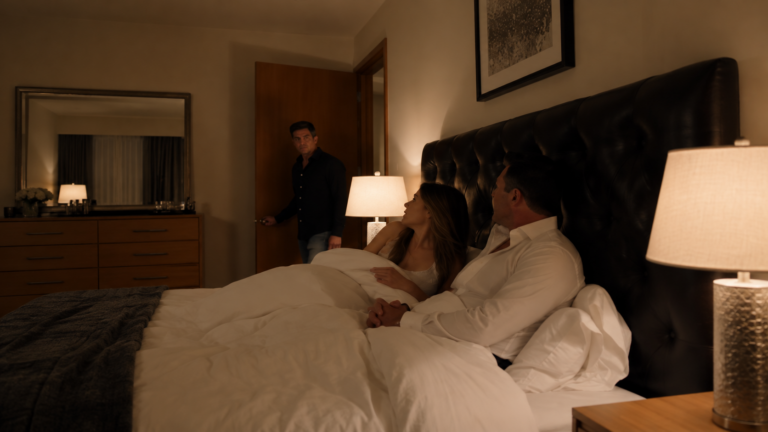
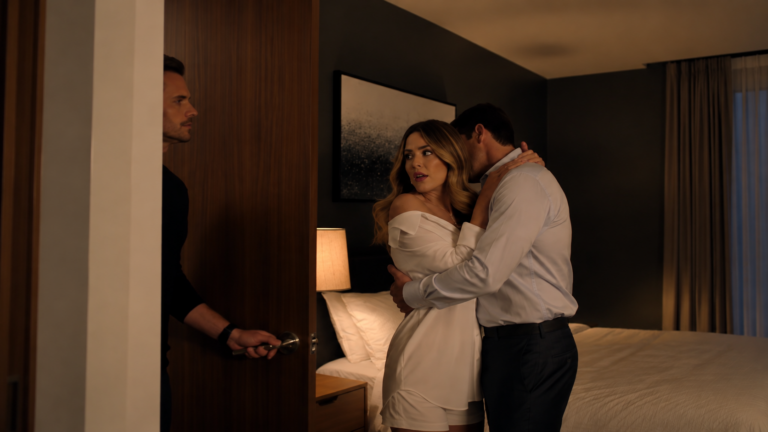
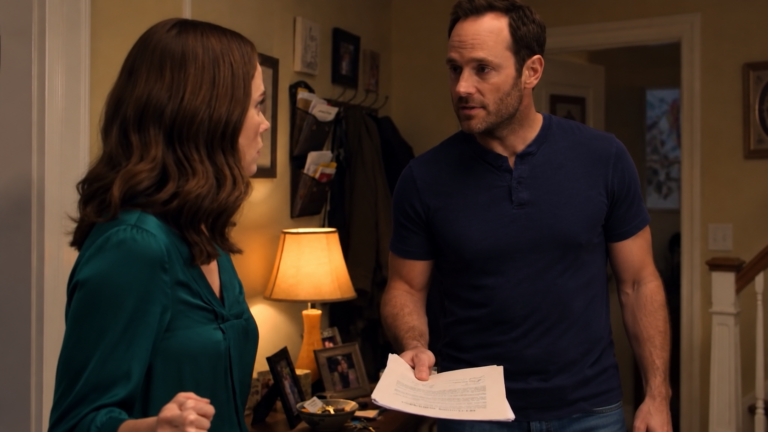
Instead, I showed the picture to my sister Hannah, who had come over to help me sort household bills.
Hannah was a public school counselor with a talent for hearing what people were avoiding.
She asked whether my anger came from Graham’s public image or from Natalie’s continued presence in the house.
I told her both things could be true.
She nodded and kept sorting envelopes.
Later, she asked whether I was making decisions about my marriage because of the investigation.
I admitted that I had begun confusing the two.
If Graham was exposed, some part of me imagined the affair would become less humiliating.
Hannah reminded me that his wrongdoing would not change Natalie’s choices.
I needed to decide what kind of life I wanted without waiting for a courtroom to tell me who had been worse.
That afternoon I contacted a mediator to discuss separation arrangements.
I also called a therapist whose name Hannah recommended.
Neither appointment felt triumphant.
They felt like repairs to a house after a fire, when nobody can yet say which beams are sound.
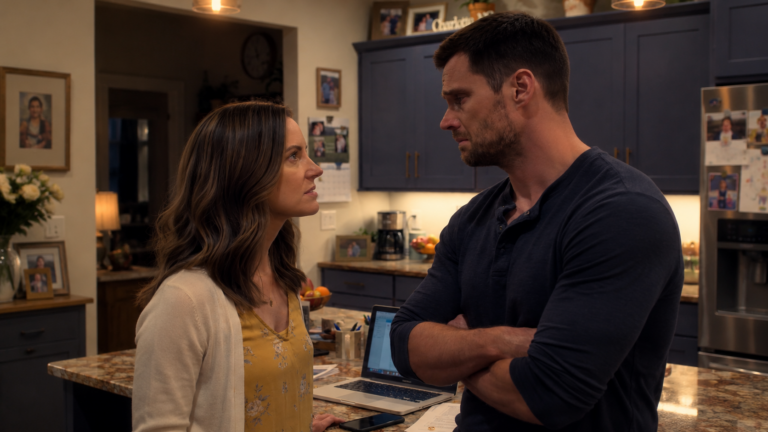
Natalie noticed the mediator’s envelope on the counter.
She asked whether I had given up on us.
I said I was gathering information before making promises.
She stood silently for a long time.
Then she said she had contacted Evelyn directly to apologize.
Evelyn replied that an apology mattered only if Natalie continued cooperating honestly.
I agreed with her.
Natalie asked whether I hated her.
I told her I did not need to hate her to be unable to trust her.
The sentence surprised us both.
For twelve years we had treated love and trust as the same thing.
Now I knew one could survive after the other was gone.
CHAPTER 13: A CLAIM AGAINST THE TRUST
Lucy’s attorney received the first full accounting of her trust in a packet delivered by certified mail.
The numbers did not match the support Lucy remembered receiving.
Fees had been charged for transportation she had arranged herself and for educational services that had never been offered.
Several payments went to companies that shared addresses with Graham’s development ventures.
The attorney requested supporting invoices rather than publicly accusing anyone of theft.
Stephen Rook replied with a letter emphasizing that all expenditures were authorized under broad management powers.
His response avoided the simplest question.
Who had approved the services Lucy never received?
Anika helped identify a former bookkeeper named Irene Malloy who had worked for one of the service companies.