The ordinary scene did not erase what happened.
It reminded me that life could continue without turning every wound into a permanent identity.
CHAPTER 66: THREE SLOW KNOCKS AGAIN
Three slow knocks sounded at my front door just after four on a Saturday afternoon.
Two quick taps followed.
I smiled before I reached the entrance because I knew Lucy had arranged to visit.
She stood on the porch holding a paper bag from a bakery and a folder of expense records for our volunteer program.
Evelyn waited beside her car, giving her daughter room to handle the visit herself.
I opened the door and invited Lucy inside.
She said the bakery had made too many cinnamon rolls and she had persuaded the manager to sell her a box at a discount.
I asked whether she wanted coffee.
She said tea would be better because she had a long evening of studying ahead.
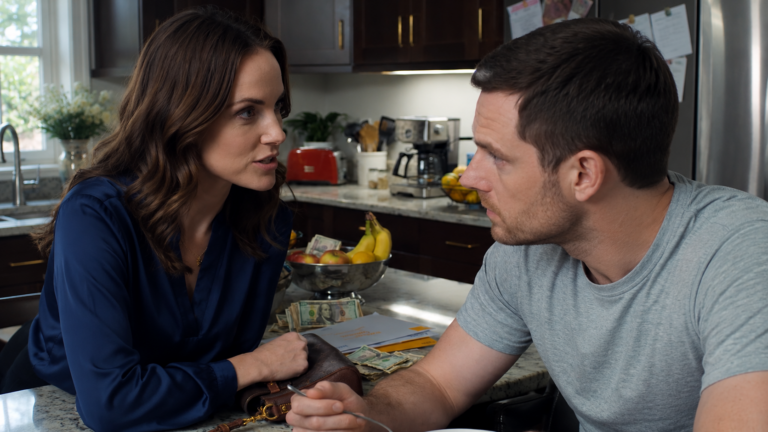
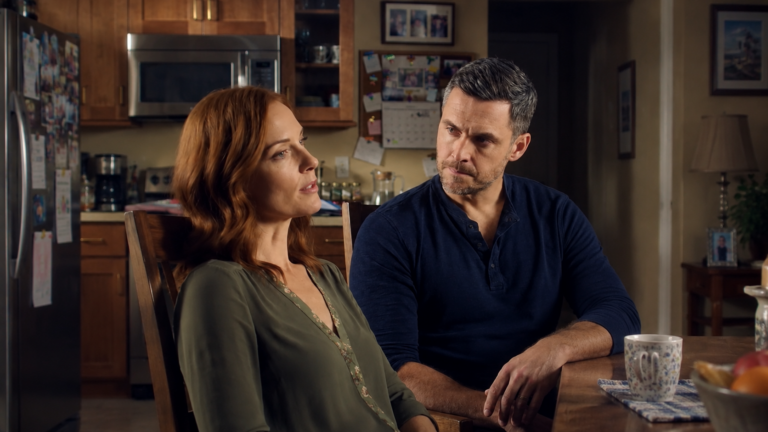
We sat at the kitchen table where Graham had once insisted everyone accept his version of the truth.
Lucy spread the receipts in front of us and pointed out two entries that appeared to have been recorded twice.
I checked the original invoices and confirmed she was right.
We corrected the ledger and laughed at how pleased she was to find a mistake.
Evelyn came in later and joined us for tea.
There was no dramatic announcement, no threatening message, and no stranger demanding obedience.
There were simply three people sharing a table because they had chosen to trust one another with ordinary things.
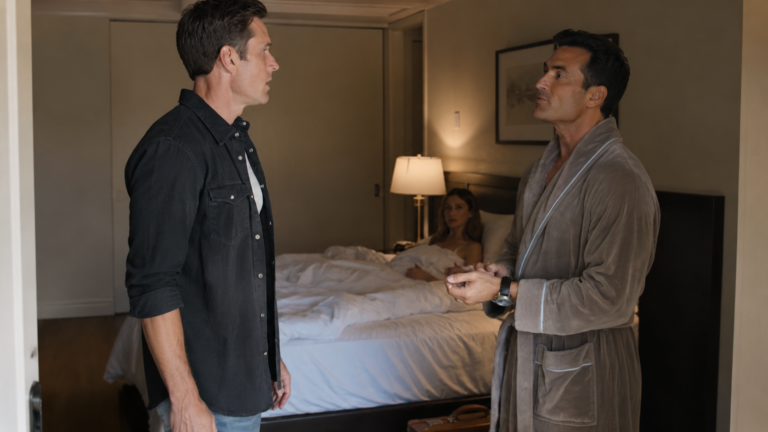
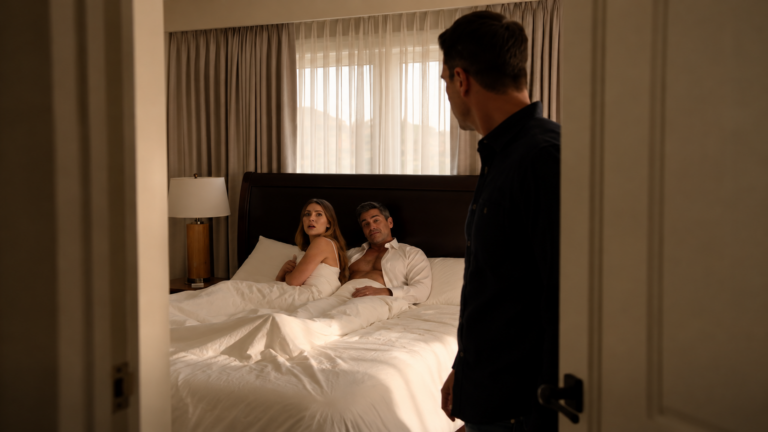
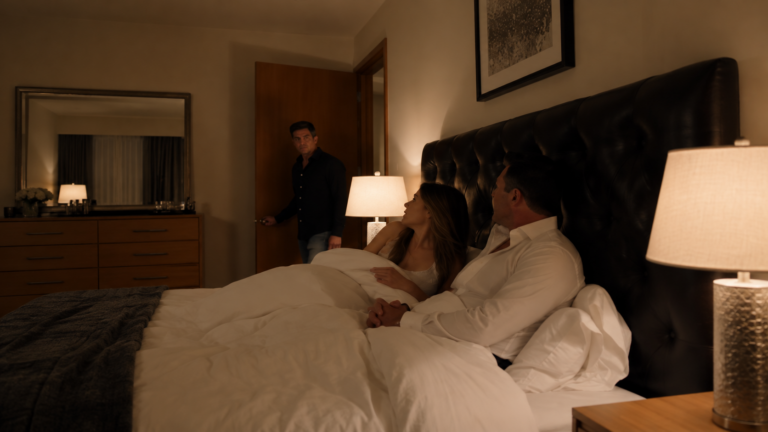
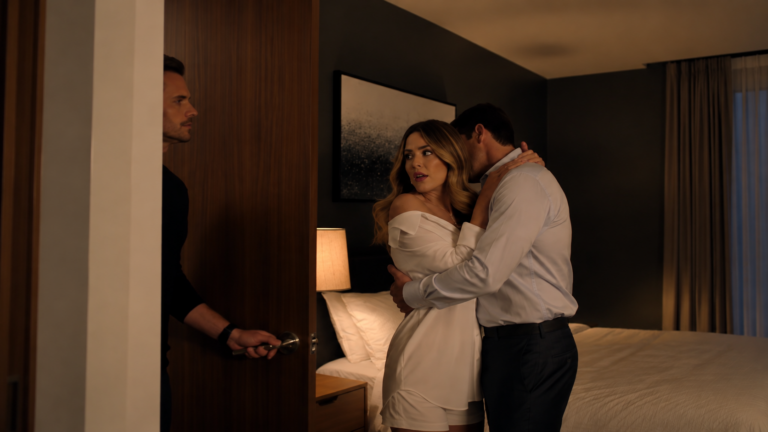
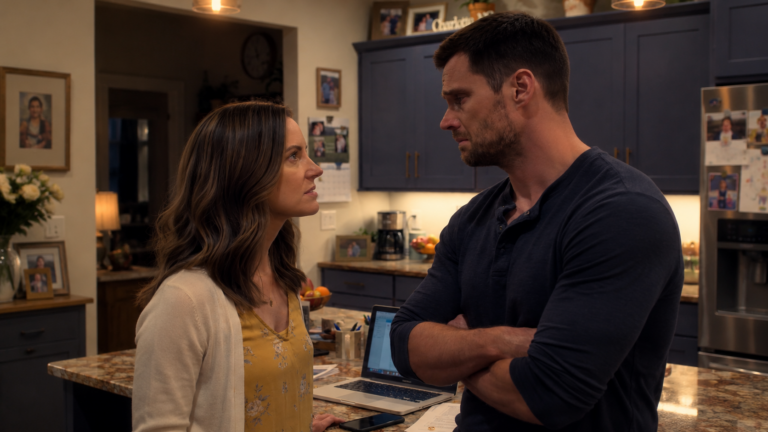
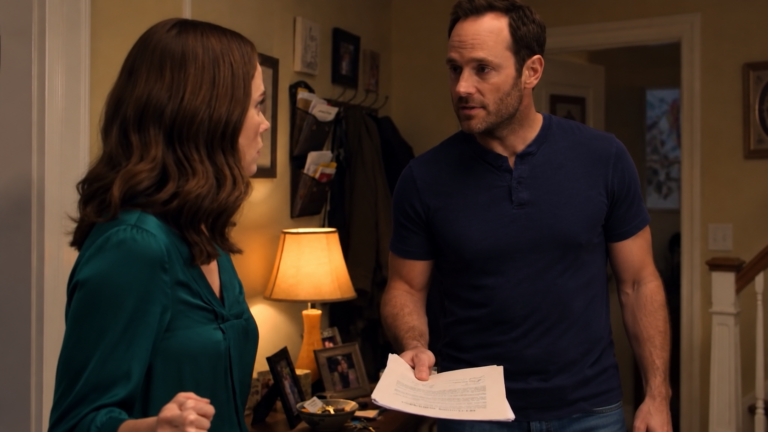
I looked toward the hallway where Natalie and Graham had once stood.
The memory was still there, but it no longer owned the room.
Lucy closed the folder and asked whether we could walk down to the community center to see the repaired roof.
I picked up my keys and opened the front door.
This time, when someone asked to come inside my life, I knew the difference between a demand and an invitation.
CHAPTER 67: THE ORDINARY REQUEST
Lucy contacted the administrator of her old residential program to request a complete copy of her personal records.
The administrator initially offered only a summary, saying the remaining files were archived and difficult to retrieve.
Lucy replied that she wanted to know the formal process for accessing the original documents.
She did not threaten anyone or invoke the lawsuit.
She simply asked for the policy in writing.
Within a week, the program provided an access form and a schedule for releasing the materials.