Some had suspected something and remained silent.
Others had simply trusted the person who appeared to be in charge.
The deception had survived not because every witness was corrupt, but because doubt is difficult to sustain when authority confidently offers a simpler story.
CHAPTER 31: GRAHAM AT THE COURTHOUSE
I saw Graham again outside a courthouse on a rainy Monday.
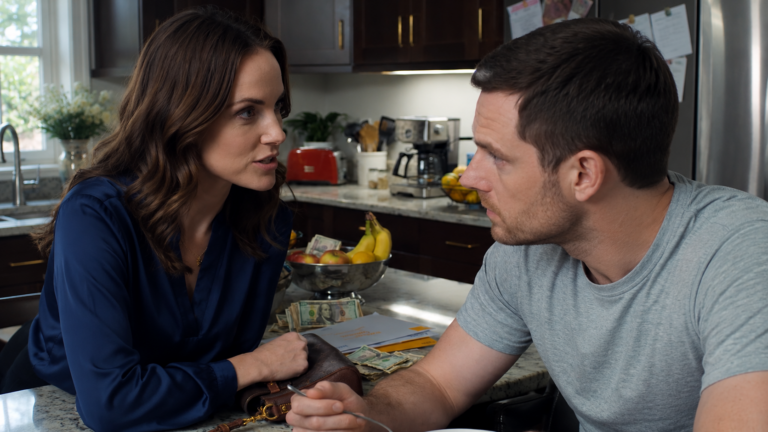
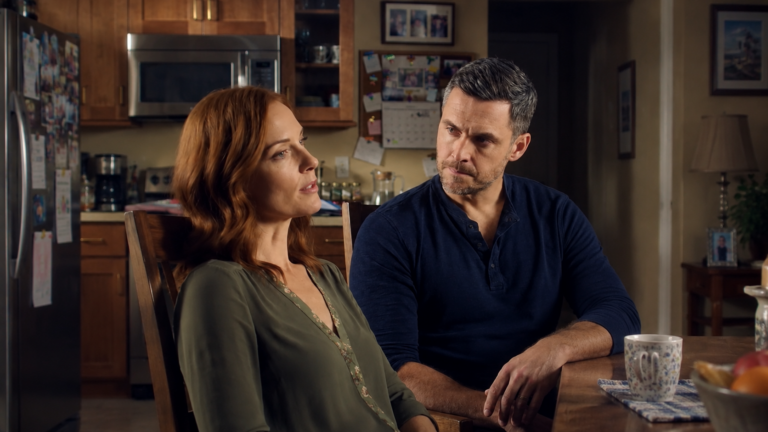
I had been asked to provide a statement about the conversation in my kitchen and the messages Graham sent afterward.
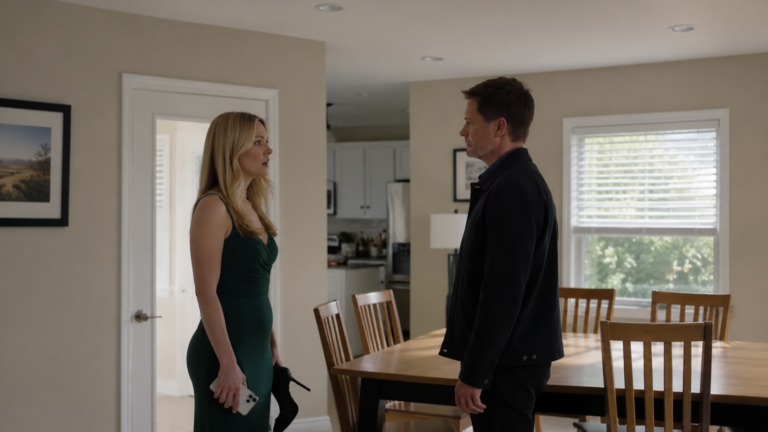
He stood beneath the stone entrance with two attorneys, wearing a dark coat and the same expensive watch he had left on my nightstand.
For a moment my body reacted before my mind did.
My hands tightened around the folder I carried.
I felt the old humiliation return with such force that I considered leaving.
Then I remembered why I was there.
I was not attending to confront him about Natalie.
I was there because my account of a particular evening might help establish what he knew and how he responded when questioned.
Graham noticed me and smiled faintly.
He asked whether I was still enjoying my revenge.
I told him I had nothing to discuss outside the proper proceeding.
He looked irritated that I did not answer as the angry husband he expected.
Inside, I gave my statement carefully.
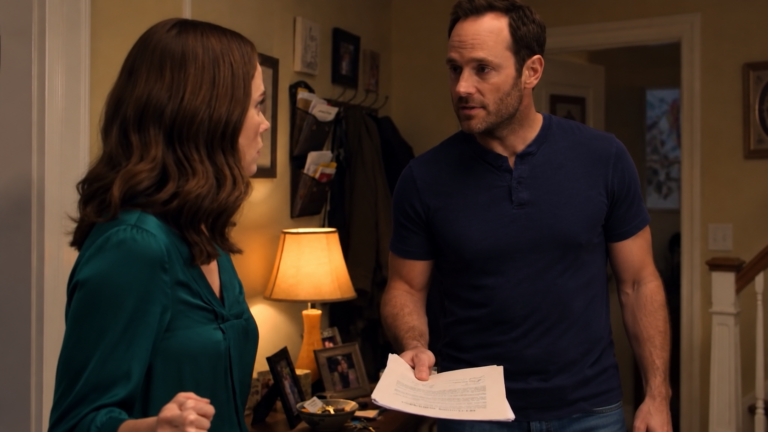
I described the phone message, the visitor at my door, and the documents Natalie produced.
I did not speculate about what Graham intended before that night.
When I could not remember the exact wording of one remark, I said so.
The attorney thanked me for distinguishing memory from inference.
Afterward, I walked into the rain without looking for Graham.
I bought coffee at a stand across the street and stood beneath an awning watching people hurry past.
I had faced him without becoming the person he wanted me to be.
That was not a legal victory.
It was a personal one, and I allowed myself to feel it.
CHAPTER 32: THE MISSING YEARS
Lucy began writing short accounts of moments she remembered from her years under the name Lucy Ellison.
She did not intend to publish them.
Her counselor suggested the practice after Lucy said official records made her feel like a collection of diagnoses and bills.
She wrote about a librarian who saved her favorite books, a cook who taught her to make cinnamon toast, and a bus driver who waited while she counted the change for her fare.
She also wrote about a locked cabinet containing documents she was told she did not need to see.