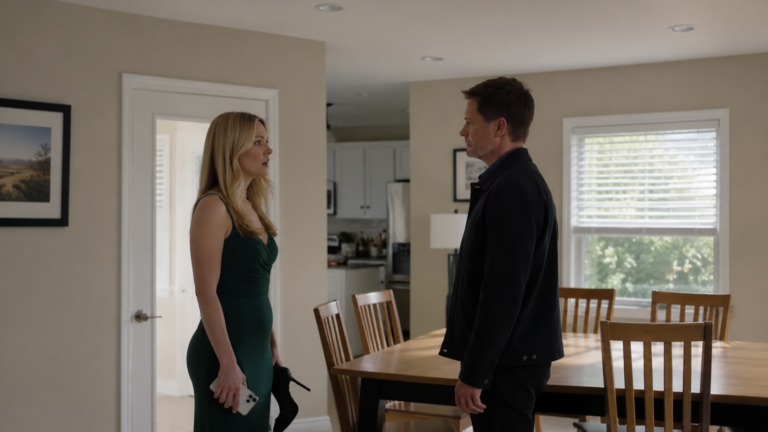
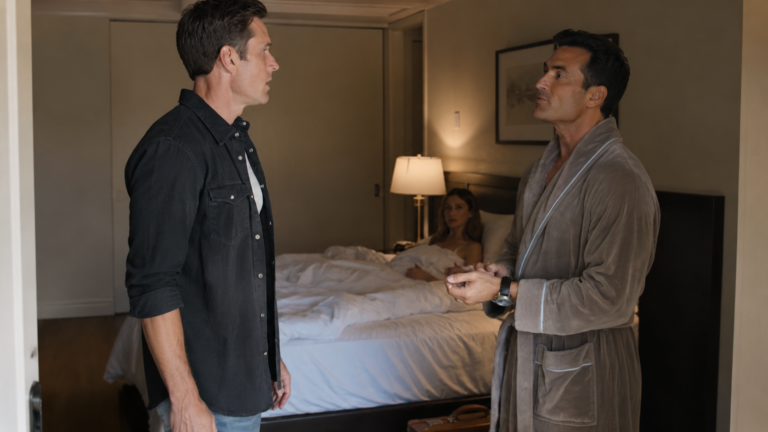
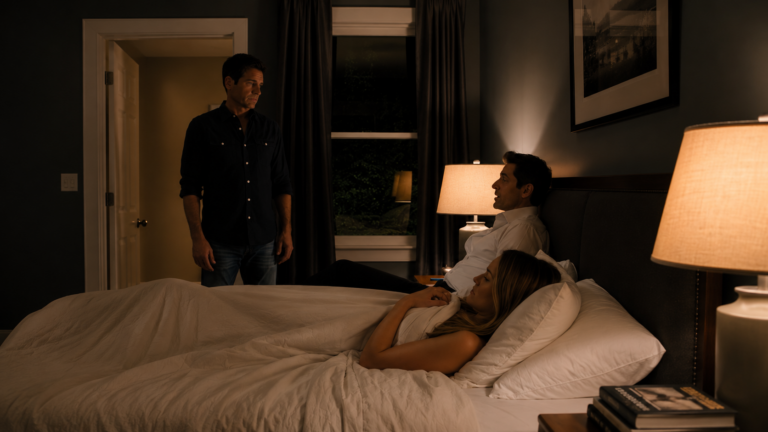
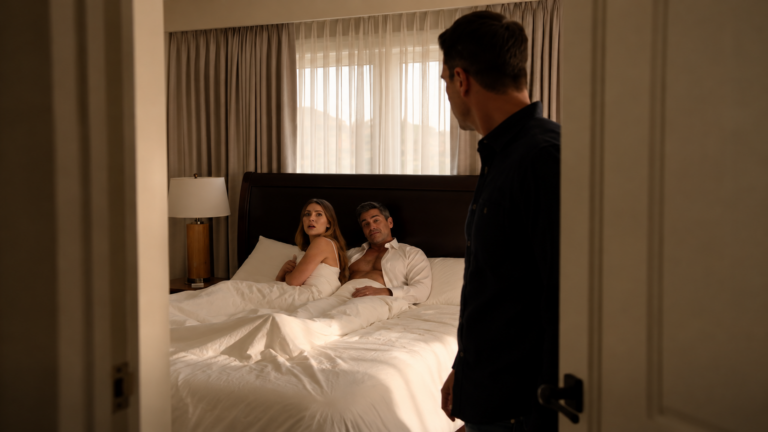
Mark felt his shoulders tighten when he heard the name.
Nora said she had not come to accuse anyone, and she did not want her visit treated as an official statement.
She had heard that Westbridge’s financing was under review and wanted to know where she could safely provide records.
Mark did not ask her to hand over the folder.
He gave her Rachel’s office number and suggested she speak to independent counsel before sharing anything confidential.
Nora looked relieved rather than disappointed.
She said she had been waiting for somebody to ask questions that made sense.
Before leaving, she glanced toward the loading area.
She asked whether the lane was really as important as Daniel claimed.
Mark answered that the lane had belonged to his family for decades and was essential to the shop’s operations.
Nora pressed her lips together and said she understood.
She left without another question.
Mark called Rachel immediately and described the visit.
Rachel thanked him for avoiding an informal exchange of records that might complicate their authentication.
She said she would contact Nora through proper channels.
That evening Mark sat at the kitchen table with a bowl of soup he barely touched.
The house felt quieter than it had during the first weeks after Vanessa left.
He had stopped listening for her car, but he had not stopped noticing the empty chair.
He thought about the red dress and the way she had used divorce as a threat.
He remembered how badly he had wanted her to turn around and choose the marriage without being asked.
Now the thought made him sad in a different way.
He no longer wanted a performance of devotion.
He wanted a life in which words and documents meant what they said.
THE BOOKKEEPER’S LEDGER
Nora met Rachel two days later with an attorney of her own.
The meeting took place at Rachel’s office, and Mark did not attend.
He received a summary only after Nora authorized limited disclosure of information relevant to the disputed land agreement.
Harbor Lantern had paid Nora to reconcile invoices for what its manager described as project development support.
Several invoices listed site inspections on days when the supposed inspectors had been working elsewhere.
Other invoices referred to title clearance services that Nora could not match to a service provider.
She had raised the discrepancies with her supervisor and been told to use the descriptions exactly as supplied.
Rachel explained that poor bookkeeping alone could reflect carelessness rather than deliberate deception.
The concern was the repeated pattern and the connection to documents now under formal dispute.